
• Subscribe
  • E-Newsletter
  • Media Kit
  • Contact
  • Login
Campus Rec Magazine
  • Sections
    • Columns
    • Facility Development
    • News
    • Operations
    • Programming
    • Rec of the Month
    • Staff Development
    • Well-being
    • Profiles
  • Magazine
    • Current Issue
    • Past Issues
    • Subscribe
    • E-Newsletter
    • Contact Us
  • On-Demand
    • Exclusive Interviews
    • Podcast
    • Webinars
  • Supplier Insights
    • Brand Voice
    • Supplier News
    • Supplier Voice
  • Education
    • CR Leadership Summit
    • CR Base Camp
    • Pickleball Innovators
  • Buyer’s Guide
No Result
View All Result
  • Sections
    • Columns
    • Facility Development
    • News
    • Operations
    • Programming
    • Rec of the Month
    • Staff Development
    • Well-being
    • Profiles
  • Magazine
    • Current Issue
    • Past Issues
    • Subscribe
    • E-Newsletter
    • Contact Us
  • On-Demand
    • Exclusive Interviews
    • Podcast
    • Webinars
  • Supplier Insights
    • Brand Voice
    • Supplier News
    • Supplier Voice
  • Education
    • CR Leadership Summit
    • CR Base Camp
    • Pickleball Innovators
  • Buyer’s Guide
No Result
View All Result
Campus Rec Magazine
No Result
View All Result
Home Columns

What Can We Learn From Termites?

Kyle Dyer by Kyle Dyer
November 9, 2016
in Columns, Leadership
0
termites
Share on FacebookShare on TwitterShare on LinkedIn

If you had to guess the most successful land animal on the planet, what would you pick? I know personally I would think of the lion or some other large predator. However I would be severely wrong. The termite is most successful land animal on the planet.

Neel Doshi and Lindsay McGregor explain this theory in their book, “Primed to Perform: How to Build the Highest Performing Cultures Through the Science of Total Motivation.”  They explain that one way to measure the success of an animal is its biomass, which is the combined weight of every member. According to the authors, the biomass of humans amounts to 350 million tons. Ants are estimated to have a biomass that is somewhere between the same as humans to 30 times larger. The biomass of termites is even larger.

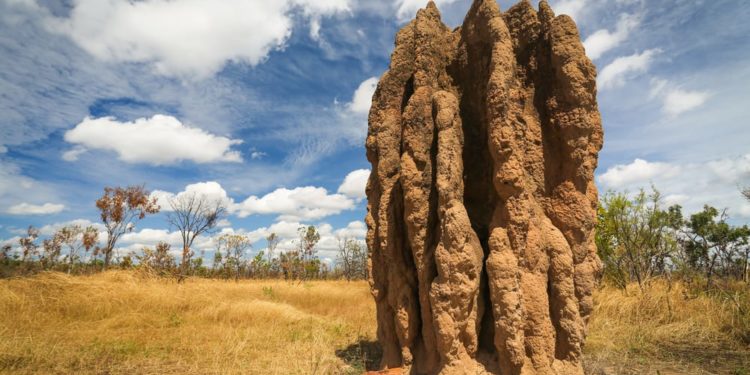
In fact, termites are quite remarkable creatures. “The mounds they build — some of them thirty feet in height — are giant, temperature-controlled, farms where they cultivate the nutritious fungus that helps them digest wood. The fungus isn’t easy to grow. To maintain the perfect climate, termites must constantly adapt. Inside their giant earthen chimneys, the termites are continuously adjusting vents to keep the temperature, humidity and proportion of carbon dioxide gas exactly right.”

While all of this information is fascinating, at this point you might be asking yourself why I am teaching you about termites. I found myself asking the same question while reading Primed to Perform. However, Doshi and McGregor do have a profound point.

“Imagine if we could build organizations that operated like that. Whenever there was a problem, people would spontaneously self-organize to fix it.  Whenever a new revenue source was found, resources would shift to take advantage of the new opportunity. Everyone would perform at their personal peak, but the needs of the community would be paramount.”

Within a termite mound, each termite can play multiple roles, depending on the circumstances. They can act and adapt based on changing situations. Does your department function like a termite mound? Even though your team might be broken into different departments — intramurals, fitness, aquatics — do they work as one? Adaptive cultures are ones were individuals can share ideas, learn from one another, identify issues and problem solve.

Maybe it is as simple as starting weekly meetings where people can address issues, or starting an idea board. Maybe it is simply being more aware of what everyone does. Are there ways you can work to create a more adaptive culture within your department?
 

Tags: adaptive cultureadaptive leadershipblogsemployee cultureteamwork
Previous Post

A Preview of the University of Kentucky Student Center

Next Post

Six Questions with Tim Moore

Kyle Dyer

Kyle Dyer

Related Posts

How Club Sports Can Drive Retention and Recruitment in Campus Recreation
Columns

How Club Sports Can Drive Retention and Recruitment in Campus Recreation

January 27, 2026
Low-Cost Marketing Trends to Implement in 2026: Part Two
Columns

Low-Cost Marketing Trends to Implement in 2026: Part Two

December 23, 2025
low-cost marketing trends
Columns

Low-Cost Marketing Trends to Implement in 2026: Part One

December 18, 2025
coaching student employees
Columns

Coaching Student Staff to Turn Questions Into Problem-Solving Opportunities

October 21, 2025
campus rec coaching
Columns

Connections and Curiosity: The Missing Links in Your Campus Rec Coaching Conversations

September 30, 2025
campus rec fall break trips
Leadership

Building Leaders and Lasting Connections on Clemson University’s Campus Rec Fall Break Trips

September 25, 2025
Next Post
Tim Moore

Six Questions with Tim Moore

Leave a Reply Cancel reply

Your email address will not be published. Required fields are marked *

Get Updates in your inbox

Facebook Twitter Instagram LinkedIn
Campus Rec Logo

The premier business resource for college and university recreation centers.

The Current Issue

January/February 2026

January/February 2026

Browse

  • Home
  • Subscribe
  • E-Newsletter
  • Podcast
  • Media Kit
  • Contact

© 2026 Campus Rec Magazine. Published by Peake Media.

Welcome Back!

Login to your account below

Forgotten Password?

Retrieve your password

Please enter your username or email address to reset your password.

Log In
No Result
View All Result
  • Sections
    • Columns
    • Facility Development
    • News
    • Operations
    • Programming
    • Rec of the Month
    • Staff Development
    • Well-being
    • Profiles
  • Magazine
    • Current Issue
    • Past Issues
    • Subscribe
    • E-Newsletter
    • Contact Us
  • On-Demand
    • Exclusive Interviews
    • Podcast
    • Webinars
  • Supplier Insights
    • Brand Voice
    • Supplier News
    • Supplier Voice
  • Education
    • CR Leadership Summit
    • CR Base Camp
    • Pickleball Innovators
  • Buyer’s Guide

© 2026 Campus Rec Magazine. Published by Peake Media.