


How three campus recreation departments aren’t afraid to fail forward — and the risks that have fueled their most innovative fitness programs.
Innovation in campus recreation often starts with a risk — testing a new class, launching an unusual event or trying an idea that might not stick. For Scarlett Vineyard, the coordinator of Fitness at the University of Tennessee at Chattanooga (UTC), risk-taking is just a part of the job.
“I’m always a fan of trial and error to see what students like,” said Vineyard. “I’d rather let an idea fail and not do it again than having someone say we should’ve been doing it all along.”
Vineyard isn’t alone. Campus rec professionals across the country echo the same sentiment — innovation means listening to students, watching trends and being willing to fail forward. As Corbin Hedges, the associate director of Campus Recreation at UTC, put it: “If you aren’t failing, you aren’t trying hard enough.”
From aquatics to outdoor programs, departments at UTC, the University of Connecticut (UConn) and the University of Florida (UF) are leaning into experimentation to engage students in new ways.
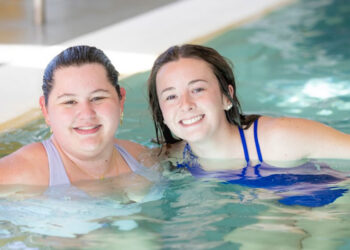
At UTC, aquatics programming is one of the clearest examples of risk paying off. Soundwaves, the themed pool party held at the start of each semester, has grown into one of the most popular Welcome Week traditions on campus. With DJs, lights, floaties, slides and festival-inspired decorations, the event can draw anywhere from 800 to 1,000 students.
Behind the scenes, Kate Dennis, the Aquatics and Safety coordinator at UTC, relies on her student team. With three student leads for logistics, safety and programming, the team handles everything from food, drinks and decor to ensuring first aid kits are stocked and readily available.
The aquatics fun doesn’t stop after the first week. The campus rec department at UTC ensures fun, water-based activities year-round with smaller pool parties around holidays and finals week, and pop-up swim challenges.
Innovation in aquatics looks a little different for UConn. There, the Learn to Swim program grew directly from student requests. “The program was the result of conversations with students who expressed their desire to learn to swim and who never had the opportunity or access to do so growing up,” said Robin O’Brien, the assistant director of Programming at UConn.
The beginner-friendly class has been a hit, giving students the chance to learn a life skill while opening aquatics to new participants. O’Brien’s team also developed a Swim Conditioning class for more experienced swimmers, and they’re launching Aqua-Fit, which uses floating yoga mats for pool workouts.
EXTRA CREDIT: Check out this story about the most popular group fitness formats in campus rec.
While aquatics can attract broad audiences, group fitness classes can create meaningful communities. Vineyard said her approach at UTC is all about careful experimentation backed by data. She tracks participant numbers, class times and demographics, then adjusts schedules and may even rename classes to boost engagement.
This process has led to some surprising successes.
Step aerobics, which Vineyard said was once considered “old school,” is making a comeback. Line dancing classes bring in an entirely new group of students who might not otherwise set foot in the rec center. And Women on Weights — a class giving women time to explore the weight room without intimidation — continues to resonate with both students and staff.
At UConn, Jennifer Clark, the assistant program director for Group Exercise and Training, is reimagining their small group fitness lineup. The department already had strong endurance and mind-body programming, but she saw a need for more niche offerings like Pilates, strength training and pool fitness.
“I want to show other ways you can move your body beyond walking on a treadmill or riding a bike,” said Clark.
UF has also leaned into variety, adding classes like acrobatics and flying yoga alongside more traditional offerings. These niche formats give students novelty and choice — two qualities today’s participants value as much as physical options.
Marty Dempsey, the director of Administration and Capital Projects, said innovation is at the core of RecSports at UF. “This past year, we applied innovation to designing programs that reduce barriers and increased engagement through a stronger sense of belonging,” he said. “Each unit was tasked with creating something to reach non-traditional or underserved student populations.”
Pop-up programs and one-time events give departments a chance to test new ideas without long-term investment. Flash tournaments and surprise fitness classes have become reliable innovation labs at UF. Past examples have ranged from trivia nights, Texas Hold ‘Em games and escape room challenges.
UF also uses its outdoor spaces to create memorable experiences. Night Zip and S’mores at their lakefront property combine ziplining under the stars with community building around the campfire. Workshops like yoga arm balances or events like Sunset Yoga blend skill-building with atmosphere at UConn.
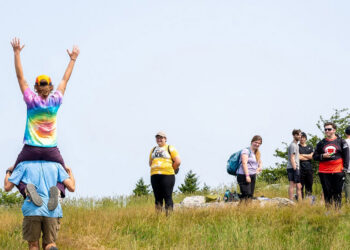
Adventure trips have proved to be a successful form of outdoor programming for UTC. From microadventures taking students on free outings to local places, to large trips to the Grand Canyon, students have plenty of options. Recently, the department has started offering custom trips where student groups can reach out to have a trip built around their ideas and interests.
UTC started the custom trips because of student feedback, drawing back to a clear thread between these departments — student input is vital for innovation. It also requires creativity, careful planning and the courage to try something new.
EXTRA CREDIT: Read this column about hiring for group fitness programs.
Vineyard and her team at UTC constantly adjust programming based on student feedback, audience data and emerging trends. She said she’s learned how listening closely to students and being willing to try something new — even if it fails — is essential. Hedges echoed her sentiment, adding the importance of being willing to change along with students and their evolving interests.
“An event failing isn’t always a bad thing,” said Vineyard. “It gives you the opportunity to shift what you’re doing and figure out what students need.”
Dempsey has a similar understanding for his department, saying they embrace the fact not every program idea will make the regular schedule. “Having a growth mindset means experimenting and innovating but also being willing to retire older ideas so new ones can shine,” he said.
At UConn, O’Brien and Clark emphasized the value of combining student insight with professional development. Programs like Aqua-Fit, Learn to Swim and new small group offerings show that understanding students’ needs, following trends thoughtfully and training staff to deliver quality experiences can turn experimental ideas into lasting successes.
“Look at trends, ensure what you’re trying to create is within your capacity and remember the smaller details will help the program run smoother than you think,” said Clark.
For campus recreation professionals, the lesson is clear: innovation isn’t about chasing every trend or avoiding failure. Rather, it’s about observing your students, designing programs to reflect their interests and taking calculated risks to create experiences that surprise, engage and inspire. When departments embrace experimentation thoughtfully, they unlock programming that keeps students coming back and keeps the rec center evolving with them.