

How Paddock Pool Equipment Company and Miracle Pools Inc. support long-term success for campus recreation aquatics facilities.
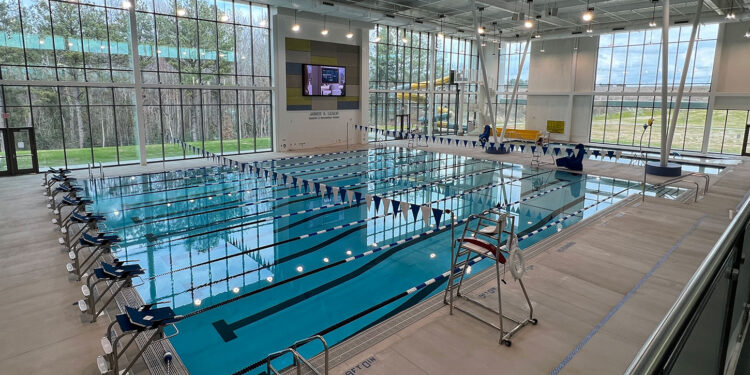
When colleges and universities invest in aquatics facilities, they’re often planning for decades of use. From competitive swim programs and recreational offerings to therapeutic and instructional spaces, these facilities must balance performance, reliability and long-term operational sustainability.
For aquatics construction firm Miracle Pools Inc. (MPI), delivering that level of quality requires strong partnerships with manufacturers that understand the unique demands of commercial aquatics.
“MPI and Paddock Pool Equipment Company (Paddock) have been partners for close to 20 years,” said Chad Wallace, the CEO of MPI. “Personally, I have been actively involved with the MPI and Paddock relationship for four years.”
Over that time, the partnership with Paddock has evolved beyond a traditional supplier relationship into a collaborative effort focused on helping facility owners achieve better long-term outcomes.
A Shared Commitment to Quality
According to Wallace, MPI selected Paddock because of the company’s reputation for manufacturing high-quality aquatic equipment and materials that consistently perform in demanding environments.
“Miracle Pools chose to work with Paddock for several different reasons,” explained Wallace. “Paddock provides unique and best-in-class aquatic equipment and materials. We exclusively use them for our stainless-steel gutter pool projects. The quality is fantastic and Paddock stands behind its product throughout the warranty period and often beyond.”
Wallace also pointed to Paddock’s Regenerative Media Filter system as a key differentiator.
“Secondly, their Regenerative Media filter is one of only two brands that we will install and stand behind,” he said. “Paddock’s unique ability to provide so many solutions on our projects makes them a huge asset on any project we are pursuing.”
That breadth of solutions has created efficiencies for both organizations while helping simplify installation, service and maintenance throughout the life of a facility.
“The business relationship between Miracle Pools and Paddock starts with our culture and position in the market to provide the very best quality pools and experiences for our customers,” said Wallace. “With the huge number of products in the market, the more MPI can use the same products, the more comfortable our installers and service team are to correct issues and continue to maintain products throughout their lifecycle.”
Delivering Long-Term Value
For campus rec departments, the benefits of a strong builder-supplier partnership ultimately extend beyond the construction process.
Aquatics facilities require significant operational investment, and many institutions face staffing and budget constraints that can make ongoing maintenance challenging. Equipment reliability and ease of maintenance, therefore, become critical considerations during design and construction.
For campus rec operators, these quality standards directly impact facility performance.
Wallace said that facility operators need their pools to work, be low-maintenance and easy to operate. “While we cannot always control how easy the operation is, we can provide products that last a long time and are easy to maintain,” he said.
According to Samantha Sperduto, the Southeast Regional Account Executive for Paddock, partnerships with experienced builders help create stronger outcomes throughout every phase of a project.
“Their involvement throughout the entire project lifecycle, from early design through execution and even post-completion support, brings a level of continuity and accountability that makes a big difference,” explained Sperduto. “They stay engaged long after installation, which really speaks to how much they care about both their clients and the long-term success of each project.”
Addressing Emerging Challenges
Campus rec leaders are seeing several aquatics facility-related challenges rise.
One of the most significant concerns is maintaining facilities long-term as experienced operators leave the industry and institutional knowledge becomes harder to retain.
“The biggest hurdle for colleges and universities will be the maintenance and upkeep of pools,” said Wallace. “The tribal knowledge of caring for these pools is slowly leaving our industry, and we — as builders, servicers and manufacturers — need to continue to help educate facility operators.”
Wallace noted that many campus rec departments rely on staff members whose primary responsibilities may not center on aquatics operations.
“Universities often don’t have endless budgets to attract the best operators, so many people are in pool operations for a short time period or they’re operating and maintaining a pool when their primary job may be a coach, teacher or staff that has a specialty in other trades,” said Wallace.
Without proper training and support, those realities can contribute to equipment failures, water quality issues and facility downtime.
Indoor air quality is another growing priority, particularly for aging natatoriums and indoor aquatics facilities.
“One of the biggest challenges campus rec departments are facing right now is indoor air quality,” said Sperduto. “Issues such as trichloramine buildup and overall indoor air strategy are becoming more widely recognized, often after facilities are already built and in operation.”
Sperduto said these concerns reinforce the importance of involving experienced partners early in the planning process. The ability to collaborate early helps to educate directors, anticipate challenges and better support long-term outcomes.
Wallace echoed this sentiment, highlighting how technologies such as Paddock’s Evacuator system can help address air quality concerns in both renovations and new construction.
“The ability to exhaust and remove dangerous chlorine gas from the pool area is great for users of the pools and helps to prevent rust and structural degradation of the facilities,” said Wallace.
A Partnership Built on Relationships
While product performance and technical expertise remain central to the relationship, both organizations point to another factor that has strengthened the partnership over time: shared commitment to the industry and the people it serves.
“They consistently invest in expanding their knowledge, whether that’s attending national industry conferences, building relationships with architects across the country, or working directly with manufacturers to better understand evolving solutions,” said Sperduto.
For Wallace, one of the most rewarding aspects of the partnership has been the relationships formed throughout the industry.
“Truly, the vast majority of the people in this industry care about providing something great for our end users,” he said. “To have clients appreciate the work we put into their pools and facilities is incredibly rewarding.”
As campus rec departments continue investing in aquatic facilities that support student wellness, competition and community engagement, partnerships built on expertise, collaboration and long-term thinking will remain critical.
“At the end of the day, the goal is to ensure campus rec facilities are not only functional and efficient, but also healthier, more sustainable environments for the students and communities they serve,” said Sperduto.