

A 75,000-square-foot expansion to the East Gym adds courts, fitness spaces, and multipurpose areas while giving Binghamton University room to meet growing student demand.
Since 1958, the East Gym at Binghamton University has served students and the surrounding community, offering a place to play, connect and stay active. Now, following a 75,000-square-foot expansion, the facility is entering a new chapter.
As the first building constructed on the Vestal campus, the East Gym has seen extreme growth in student recreation. For example, traffic in open-play basketball alone has doubled in the past 20 years, with over 66,000 visits a year to the courts.
Tom St. John, the director of Campus Recreation at Binghamton University, said he would often see students waiting for a court to open on Friday afternoons and patrons tightly packed into the FitSpace, a membership-only area with cardio and strength equipment.
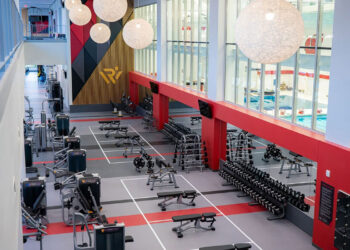
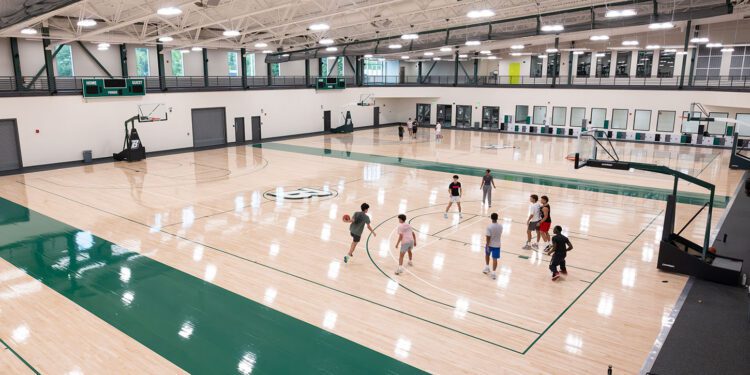
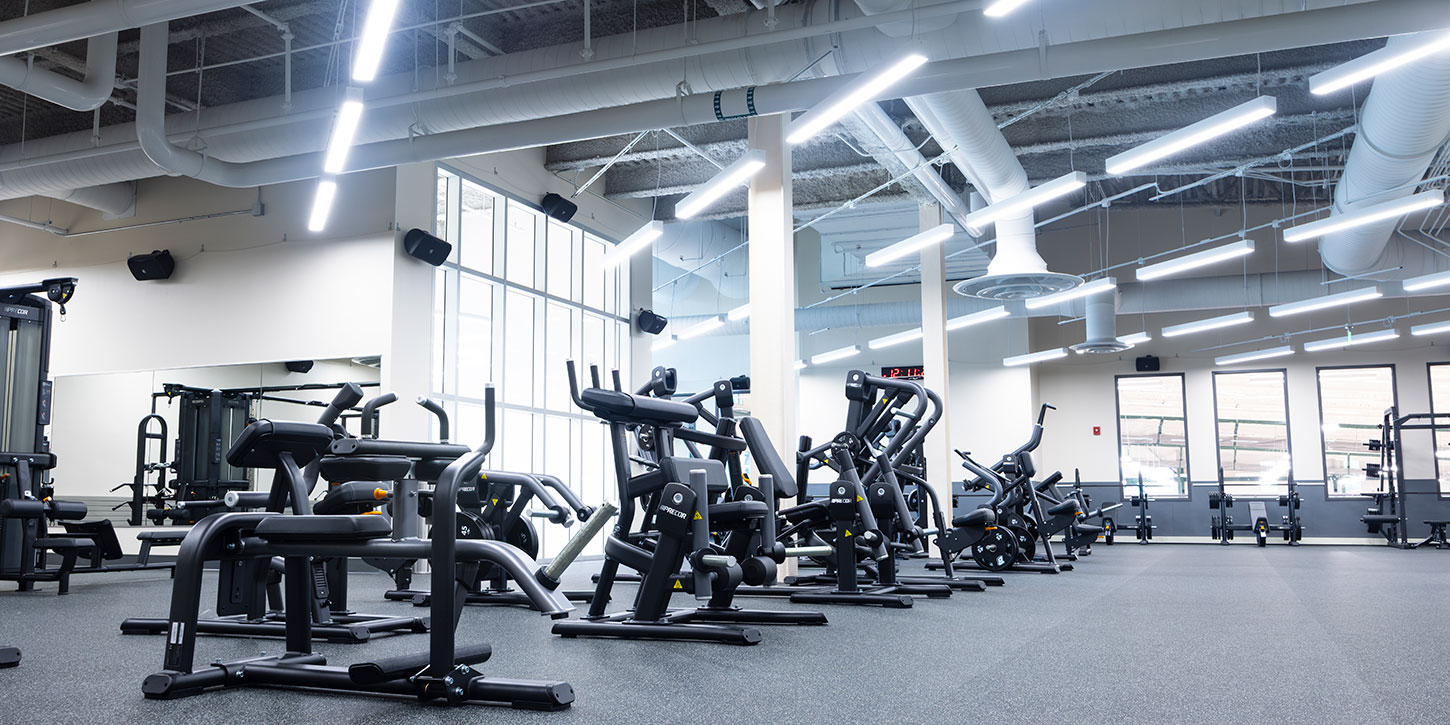
The expansion addresses some of this demand. The East Gym now has 177,000-square-feet of indoor recreation space. Students have access to three new additional wood courts for open recreation — which all students can access with a swipe of their ID — and a 40% increase in fitness space.
“We have a lot more space to move, and that’s not to say we didn’t pay attention to capacity or have ample spacing,” said St. John. “It just speaks to the demand there is for students to engage and strengthen their physical dimension of wellness.”

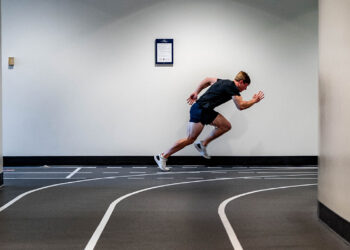
Alongside these additions, the East Gym renovation included an elevated 200-meter indoor track, a functional training area and several multipurpose spaces enabling the team to host staff training and classes while giving students more space to hold club meetings and practices. There’s also a dedicated recreation room — set to be completed later in fall 2026 — designed for students to socialize with games, lounge areas and a projector screen.
Opened to students, faculty and staff on August 19, 2026, the impact of the project has already been significant.
The FitSpace has seen a 22% increase in student memberships from 2025 and a 58% increase since 2023. Faculty and staff memberships also surged with the expansion, increasing by 40% compared to this time last year.
The East Gym overall saw 58,000 total visits throughout the first four weeks of the 2026-2027 academic year — up from 38,179 visits during the same time frame the previous year.
However, even with positive reception, the expansion didn’t come without its challenges.
From laying the groundwork in 2023 to the East Gym’s opening this fall, the renovation has seen three different project managers — a result of the first two leaders retiring during the process — and required an intricate solution to minimize potential campus disruptions.
In order to get to the East Gym, all construction materials and equipment would have to travel an on-campus route and cut through the facility’s parking lot. With a high-traffic childcare center located on the east side of the facility, construction disruptions risked creating significant traffic bottlenecks.

Ultimately, a plan was created by the university to enlist the town of Vestel to work with the Army Corps of Engineers to build a temporary bridge connecting an access road to the construction site located in the back of the East Gym. This not only supported the expansion at the East Gym but also another project improving the Visions Federal Credit Union Track and Field Facility.
Throughout the renovation and its coinciding obstacles, St. John said a positive mindset was essential.
“It’s a pot of gold at the end of the rainbow,” said St. John. “I think transparency and open communication about concerns and what these hiccups could be proved helpful. We didn’t internalize anything.”
To keep communication open, St. John he and said his senior staff would attend monthly and biweekly facility meetings to navigate challenges as a team. Every staff member was a part of the expansion, whether they helped select equipment or had a say on design choices.
“I think everyone feels a strong sense of ownership, and with that comes a strong sense of pride,” explained St. John. “We’ve been able to navigate it as well as we could. We had transitions with our project managers, but they were all seasoned and experienced, so we knew the project was always in good hands.”
All in all, St. John and his team understand that good things take time. While feedback is already positive, he understands that certain aspects like layout or functionality might change.
“We’re going to give ourselves some grace here,” said St. John. “It’s not going to be just exactly perfect right from Day One, but we’re going to grow into the space together.”
For Binghamton, the expansion demonstrates the value of paying attention to how students use recreation spaces and where demand is outpacing capacity. Rather than an overhaul built around upgrades just to have them, the renovation focused on targeted improvements to specific areas that weren’t meeting expectations.
This project underscores the importance of communication when navigating complex renovations. From changes in project leadership to construction logistics, Binghamton’s experience shows how keeping staff involved and communication open can help a recreation department work through challenges while maintaining a shared sense of ownership.
For leaders looking to better meet student needs and interests, this project offers two key lessons: pay attention to how students interact with a space and be prepared for complex obstacles by keeping open communication from the start.