

From privacy upgrades to touch-free tech, campus rec professionals from three universities explain why locker rooms are becoming an essential area of investment for the overall student experience.
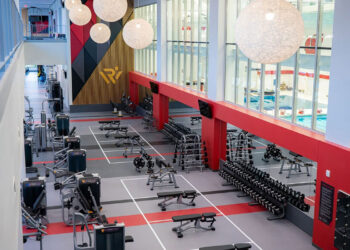
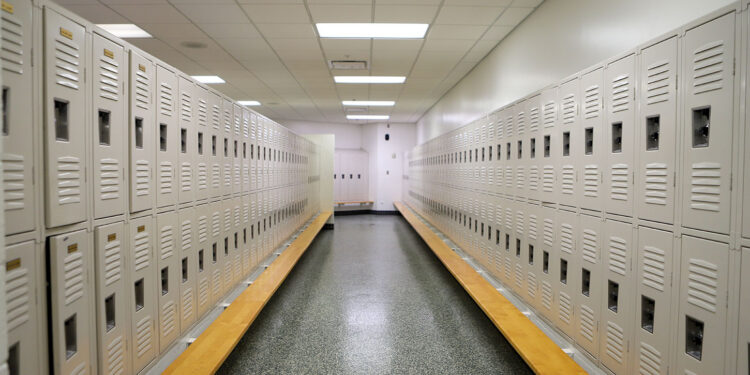
Locker rooms are essential spaces for campus recreation facilities, offering students privacy, storage and a retreat from the busy fitness floor.
While these areas may not be what draws students to campus rec centers in the first place, a clean, updated and well-organized locker room can shape overall impressions just as much as the equipment or programming does.
At a time when colleges and universities are fighting to retain students and justify budgets, locker rooms can be a quiet but critical factor — and one not to be overlooked.
Whether through active renovations or by simply keeping an eye on where design trends are headed, campus rec departments across the country are staying up to date on what locker rooms need to keep up with students.
At the University of Central Florida (UCF), an aging facility led to ongoing renovations of the Recreation and Wellness Center locker rooms.
“After 25 years of heavy usage, the layout, fixtures, and overall wear and tear are some of the main factors in deciding to upgrade,” said Sarah Hunt, the associate director of Facilities at UCF.
With new gyms continuing to open around Orlando, Florida, Hunt said the renovations were essential in keeping up with what students want from locker rooms, and for retaining both members and guests.
UCF is scaling back the number of small lockers, replacing them with fewer but larger lockers and hand towels are being replaced with dryers.
One of the upgrades students are most excited about, Hunt said, are additional privacy features. The facility is moving from shower curtains to doors and adding standalone changing stalls. Lounge spaces will also be added in both men’s and women’s locker rooms, giving students an additional place to relax before or after workouts.
The new space is also designed to withstand heavy daily use. “Having a modern and aesthetically pleasing feel along with using highly durable, low-maintenance materials will provide a sustainable space for many years,” said Hunt.
While the campus rec team at the University of Alabama Birmingham (UAB) isn’t currently undergoing renovations, Will Cornelio, the assistant director for Facility Operations for CENTERS at UAB, is keeping a close eye on where locker room design is headed — and many of the features added by UCF are already on UAB’s radar.
Privacy is a top concern at UAB, where students and faculty are seeking private changing rooms and expanded single-use spaces. Cornelio also noted many staff would prefer a locker room of their own, separate from students.
“The open shower has all but disappeared in modern design,” explained Cornelio. “We’ve seen an increased demand for privacy and security in locker rooms, resulting in showers moving to individual bays or stalls.”
If UAB does move forward with renovations in the future, Cornelio said the team would explore upgrading the lockers, which haven’t been touched since the building opened in 2005. He also expects digital locks to become the new standard, giving students a greater sense of security by letting them set their own passcodes rather than relying on combination locks or keys.
Increased accessibility is another focus Cornelio believes will expand even more in the coming years — a trend the campus rec team at DePaul University has been working on throughout their renovation project.
“Our recent single-user restroom renovations focused on creating a more modern, accessible and user-friendly experience,” said Ashley Sims, the associate director of Facilities for CENTERS at DePaul. “Each restroom received updated ADA accessibility features, automatic door openers with push-button access, occupancy indicator locks and recessed wall-mounted waste receptacles.”
Alongside accessibility, Sims said another trend she’s noticed is the increased adoption of touch-free technology — a shift mirroring UCF’s shift from hand towels to dryers.
To help improve hygiene and overall cleanliness, Campus Recreation at DePaul has replaced all sinks and soap dispensers with sensor-operated fixtures. The locker rooms also feature toilets with dual-flush technology to support water conservation, and hand dryers will be replaced with more energy-efficient models once they’ve reached the end of their lifecycle.
Across all three universities, one theme is clear: locker rooms are no longer an afterthought. Many teams are beginning to treat them as an extension of the broader campus rec experience. As more departments make improvements and upgrades to their spaces, campus rec leaders hold key insights into where they think the future of locker room design is headed.
“I believe we’ll continue to see a strong emphasis on clean, modern aesthetics combined with functionality,” explained Sims. “Members value privacy, accessibility, sustainability and technology that enhances their experience.”
Hunt said her team has considered adding recovery-focused amenities such as cold plunges, infrared saunas and steam rooms, but have held off for now due to space limitations and maintenance costs.
Safety and security are also top of mind for UC, said Hunt, as students are increasingly bringing expensive technology into rec centers, making keyless access to lockers a priority.
At UAB, Cornelio expects privacy to continue to expand. More facilities will dedicate space to private and family changing rooms. Daily and weekly locker rentals are also becoming more common, giving guests more flexibility when using rec centers.
Overall, the future of locker rooms will be more private, accessible, sustainable and secure. For campus rec departments competing for students in a crowded market and looking to expand their reach on campus, these spaces represent an area of opportunity, not just a place for students to store their belongings.