

From safety and maintenance to programming and longevity, campus rec professionals say thoughtful flooring decisions play a larger role in facility success than many realize.
When planning a campus recreation facility project, attention often turns to eye-catching additions, such as new equipment, updated layouts or expanded program spaces.
But one feature often overlooked or viewed as an afterthought is flooring — a decision that not only affects aesthetics but user safety, operational efficiency, maintenance demands and the overall experience of the space.
Because surfaces influence so many aspects of facility operations, campus rec leaders are increasingly taking a more intentional approach to flooring selection and long-term care.
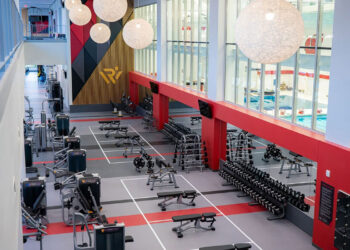
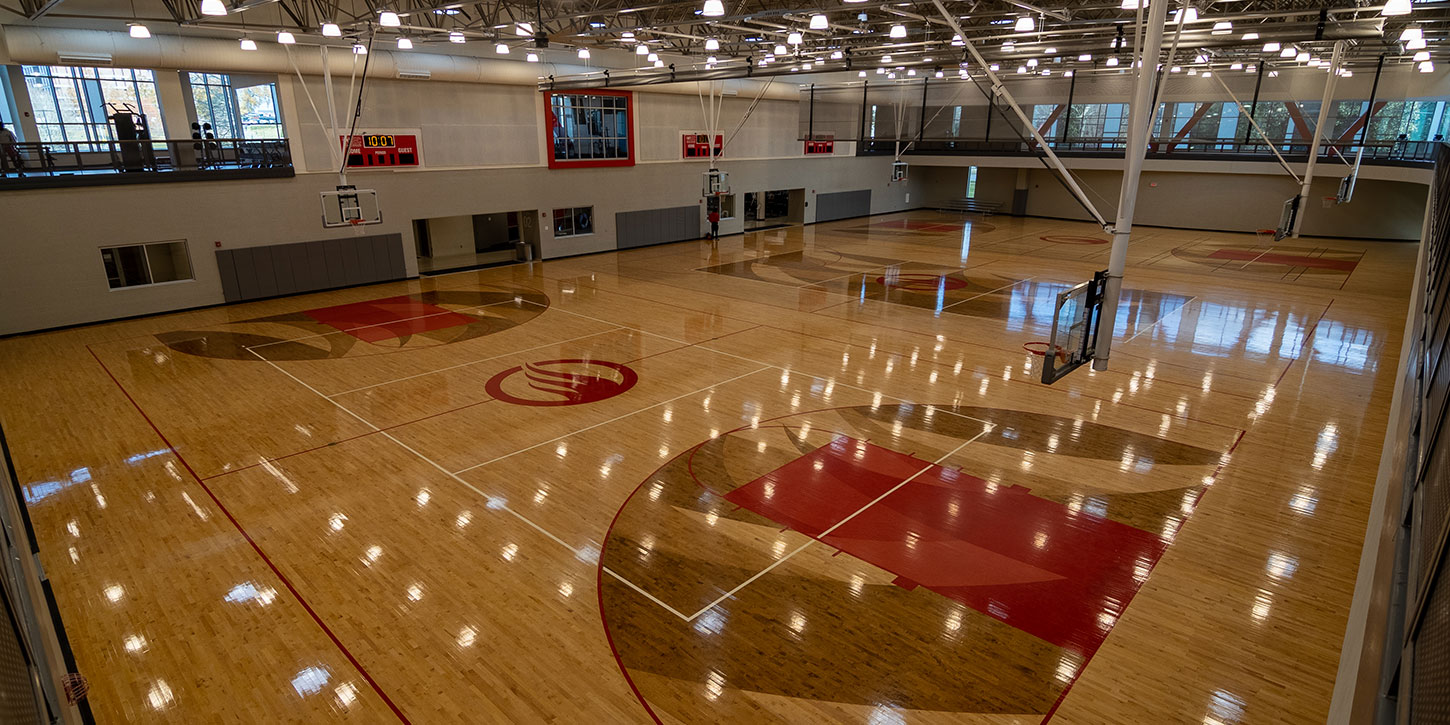
Whether it’s a hallway, weight room, multipurpose court or turf training area, each environment has unique demands. The right flooring choice can support programming goals, withstand daily use and help facilities operate more efficiently for years to come.
For Dominic DiMauro, the director of University Recreation for CENTERS at Jacksonville State University (Jax State), the primary consideration in any flooring decision is the purpose of the space and how it’s expected to function over time.
“My approach is to define the space’s purpose first and work backward,” said DiMauro. “Effective flooring decisions balance performance, durability, maintenance, lifecycle costs and user needs.”
While budget and aesthetics matter, DiMauro said they’re rarely the primary drivers of a flooring decision. Instead, he focuses on how a surface supports functionality, users and operational needs like risk mitigation.
Choosing materials that reduce slips, falls and injuries is an essential part of the decision-making process, said DiMauro. After safety, performance and durability become key priorities.
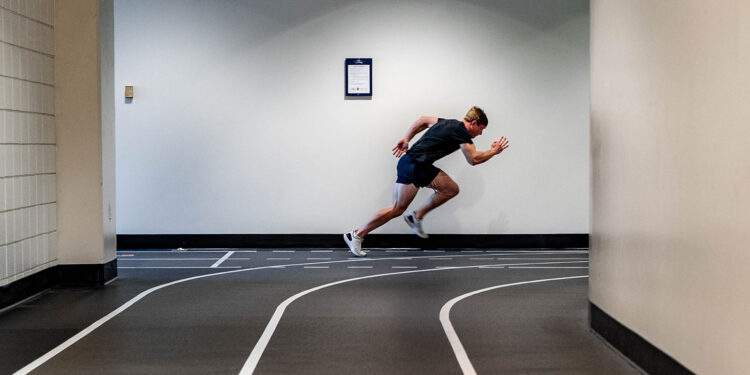
A recent project at Jax State is a prime example of DiMauro’s process. The team recently converted a racquetball court into a functional training space for high-intensity exercise, stretching and recovery.
“Our priority was a surface that supports multiple activities, absorbs sounds and withstands heavy use,” explained DiMauro. “By defining the space’s purpose first, we selected flooring that met both operational needs and user expectations.”
While purpose and functionality often guide surface selection, other campus rec professionals say long-term durability and consistency across facilities are also important considerations.
For Keith Wenrich, the director of Recreational Sports at the University of Georgia (UGA), flooring decisions are driven by a combination of performance, aesthetics and longevity.
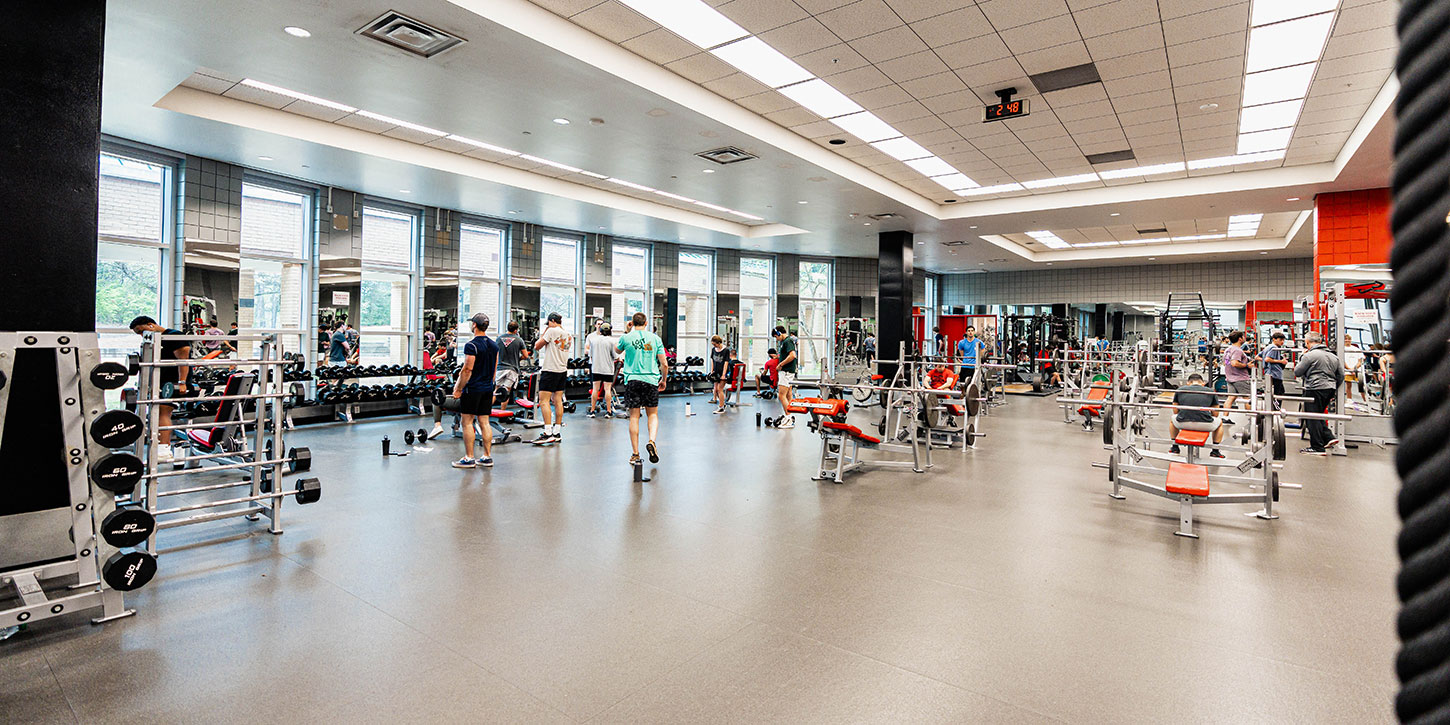
Wenrich said his team prioritizes materials that align with university standards while standing up to the demands of a high-traffic recreation environment. “We’ve used PLAE flooring throughout our facility and have continued incorporating it into renovation projects because of its performance and ability to maintain a cohesive look,” he explained. “We also selected a darker gray color to better withstand the wear and tear of a high-traffic recreation environment.”
For Wenrich, longevity is about more than extending the life of a product. It also means selecting materials that align with university standards and branding while continuing to perform under years of heavy use.
While the top considerations may vary from campus to campus, both DiMauro and Wenrich agree that flooring decisions require balancing a wide range of factors.
A surface may look appealing or fit within budget, but campus rec teams must also consider safety, maintenance requirements, durability and how the space will function years down the road.
According to DiMauro, one of the biggest challenges is balancing those priorities while ensuring all relevant stakeholders have a voice in the decision-making process.
Challenges can arise when programming, maintenance and operations staff aren’t involved early enough.
“Operators often provide valuable insight into traffic patterns, maintenance capabilities and daily demands that affect long-term performance,” said DiMauro.
With so many products, specifications and competing priorities to consider, both DiMauro and Wenrich stress the importance of taking a thoughtful, long-term approach to flooring projects.
For DiMauro, that starts by understanding the intended purpose of a space before evaluating specific products or materials.
“Too often, projects start with a product or budget rather than the purpose of the space,” said DiMauro. “Understanding how the space will be used, who will use it and its operational demands makes the right flooring solution much clearer.”
DiMauro also recommends choosing the right flooring partner, especially a vendor who understands the intended use of the space and offers guidance on specifications and installation.
“We recently partnered with Thor Performance Products for our racquetball conversation and turf strip installation to support sled training,” said DiMauro. “Their products met our operational needs and the results have been strong for our facility and users.”
Wenrich echoed the importance of planning ahead and evaluating all available options before making a final decision.
“Make sure to connect with your university architects for campus standards,” said Wenrich. “Also, think about longevity and school colors that won’t change at a big university.”
Flooring can have one of the biggest impacts on how a space looks, functions and serves users over time, making it a vital aspect for campus rec departments to explore early on.
By considering factors like risk management, durability, maintenance and programming needs from the outset, campus rec teams can ensure their facilities are built on a strong, safe foundation.