
• Home
  • Subscribe
  • E-Newsletter
  • Podcast
  • Media Kit
  • Contact
  • Login
Campus Rec Magazine
  • Sections
    • Columns
    • Facility Development
    • News
    • Operations
    • Programming
    • Rec of the Month
    • Staff Development
    • Well-being
    • Profiles
  • Magazine
    • Current Issue
    • Past Issues
    • Subscribe
    • E-Newsletter
    • Contact Us
  • On-Demand
    • Exclusive Interviews
    • Podcast
    • Webinars
  • Supplier Insights
    • Brand Voice
    • Supplier News
    • Supplier Voice
    • Spotlights
  • Education
    • CR Leadership Summit
    • 2026 Campus Rec Leadership Summit Trends Report
    • CR Base Camp
    • Pickleball Innovators
  • Buyer’s Guide
No Result
View All Result
  • Sections
    • Columns
    • Facility Development
    • News
    • Operations
    • Programming
    • Rec of the Month
    • Staff Development
    • Well-being
    • Profiles
  • Magazine
    • Current Issue
    • Past Issues
    • Subscribe
    • E-Newsletter
    • Contact Us
  • On-Demand
    • Exclusive Interviews
    • Podcast
    • Webinars
  • Supplier Insights
    • Brand Voice
    • Supplier News
    • Supplier Voice
    • Spotlights
  • Education
    • CR Leadership Summit
    • 2026 Campus Rec Leadership Summit Trends Report
    • CR Base Camp
    • Pickleball Innovators
  • Buyer’s Guide
No Result
View All Result
Campus Rec Magazine
No Result
View All Result
Home Facility Development

Expanding Aquatics Without Increasing the Footprint

Gracie Moore by Gracie Moore
July 28, 2026
in Facility Development, Vendor Content
0
Mt. Hood Community College
Share on FacebookShare on TwitterShare on LinkedIn

Learn how a partnership between DynaDome and Mt. Hood Community College helped the school increase access to aquatics programming without creating a new facility. 

For many campus recreation departments, aquatics facilities can present a familiar challenge: how can teams expand programming and increase access to aquatics when budgets and aging infrastructure limit what’s possible?

This was the obstacle facing Mt. Hood Community College (MHCC) in Gresham, Oregon. 

Charles George, the associate vice president of Facilities, Public Safety and Risk Management at MHCC, said the college wanted to make greater use of its outdoor 50-meter pool but struggled to find a practical way to protect the space without constructing an entirely new building. 

“We kept running short on solutions and engaged architects but couldn’t find anything we liked,” said George. “We reached out to DynaDome, and they were willing to work on a solution with us.” 

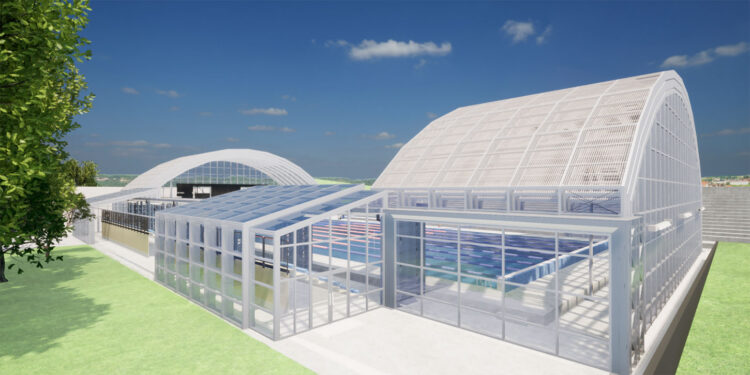
MHCC worked alongside DynaDome to develop a customized solution addressing the college’s operational needs while preserving the flexibility of an outdoor aquatics venue. 

Cihan Ozdemir, the vice president of sales at DynaDome, said the partnership with MHCC developed over several years before the project reached construction, starting before the COVID-19 pandemic. 

Throughout that time, George and his team at MHCC remained committed to finding a solution with DynaDome. 

“When DynaDome developed a solution that met their needs, Charles became the driving force in championing the project through the administrative process,” said Ozdemir. 

Once completed, Ozdemir believes the facility — and the team behind it at MHCC — will become a model for other rec centers looking to maximize a single venue by allowing it to function as both an indoor and outdoor pool. 

For campus rec leaders, this partnership illustrates the importance of engaging companies like DynaDome early in the planning process, especially when traditional facility designs don’t meet an institution’s long-term goals. 

Building separate indoor and outdoor aquatics facilities often isn’t financially or physically feasible for many campus rec departments, yet students still want year-round programming and reliable access. According to Ozdemir, the retractable structures allow facilities to avoid this tradeoff. 

“A single aquatics facility can provide the experience of an outdoor pool when the weather is favorable and quickly transition into a climate-controlled indoor environment when conditions change,” said Ozdemir. “This allows rec centers to maximize programming, extend their operating season, reduce weather-related cancellations and make better use of valuable real estate.” 

For MHCC, the approach also represented a more cost-effective alternative, allowing the team to save money when compared to constructing a new building for the project. 

Although construction is still underway, MHCC expects the project to significantly expand how the pool serves campus. George said the team anticipated year-round use of the facility, serving students, staff and community members through programming and events. 

Throughout the design process, George explained how DynaDome distinguished itself through the team’s willingness to collaborate, along with their quick response and implementation time. 

“If you’re looking for an outdoor pool solution, engage with DynaDome first to see what’s possible,” said George. “They’re a creative and innovative team.” 

As campus rec leaders continue to balance rising costs, limited space and increasing demand for flexible facilities, this project offers one example of how a collaborative partnership can create new opportunities without requiring a new footprint. 

By reimagining how a single aquatics venue can function throughout the year, institutions can expand programming, improve access and maximize existing facilities. 

Tags: aquaticscampus reccampus recreationDynaDomefacility developmentinterviewMt. Hood Community College
Previous Post

Kennesaw State University’s Adult Swim Grant Makes Water Safety More Accessible

Gracie Moore

Gracie Moore

Related Posts

project courage
Supplier News

Matrix Fitness Announces 2025/2026 Project COURAGE Scholarship Recipients

July 15, 2026
campus rec locker rooms
Facility Development

Privacy, Safety and Accessibility: How Campus Rec Locker Rooms Are Evolving

July 9, 2026
Cardio Equipment Trends Reshaping Campus Recreation
Facility Development

Cardio Equipment Trends Reshaping Campus Recreation

June 30, 2026
campus recreation flooring
Facility Development

Campus Recreation Flooring Decisions That Improve Safety, Durability and User Experience

June 25, 2026
Paddock Pool Equipment Company
Vendor Content

Building Better Aquatics Facilities Through Collaboration with Paddock Pool Equipment Company

June 18, 2026
Built for Impact and Efficiency: How Fusion Helps Campus Rec Teams Do More With Less
Spotlights

Built for Impact and Efficiency: How Fusion Helps Campus Rec Teams Do More With Less

June 9, 2026

Leave a Reply Cancel reply

Your email address will not be published. Required fields are marked *

Get Updates in your inbox

SUBSCRIBE NOW!
Facebook Twitter Instagram LinkedIn
Campus Rec Logo

The premier business resource for college and university recreation centers.

The Current Issue

The Current Issue

July/August 2026

Browse

  • Home
  • Subscribe
  • E-Newsletter
  • Podcast
  • Media Kit
  • Contact

© 2026 Campus Rec Magazine. Published by Peake Media.

Welcome Back!

Login to your account below

Forgotten Password?

Retrieve your password

Please enter your username or email address to reset your password.

Log In
No Result
View All Result
  • Sections
    • Columns
    • Facility Development
    • News
    • Operations
    • Programming
    • Rec of the Month
    • Staff Development
    • Well-being
    • Profiles
  • Magazine
    • Current Issue
    • Past Issues
    • Subscribe
    • E-Newsletter
    • Contact Us
  • On-Demand
    • Exclusive Interviews
    • Podcast
    • Webinars
  • Supplier Insights
    • Brand Voice
    • Supplier News
    • Supplier Voice
    • Spotlights
  • Education
    • CR Leadership Summit
    • 2026 Campus Rec Leadership Summit Trends Report
    • CR Base Camp
    • Pickleball Innovators
  • Buyer’s Guide

© 2026 Campus Rec Magazine. Published by Peake Media.