


How strategic marketing, accessible scheduling and campus partnerships helped Brown Recreation maintain participation during the summer months.
During the summer, when students head home and classes slow down, many campus facilities and departments reduce their hours or programming. But campus life doesn’t come to a complete stop.
Whether it’s students taking summer classes, faculty and staff working on campus, or graduate and medical students continuing their programs, plenty of people still need opportunities to stay active and connected.
At Brown University, summer intramural leagues provide one way for those on campus to do just that. Through intentional marketing, convenient scheduling and strong partnerships across the Division of Athletics and Recreation, Brown has developed a summer program that keeps participation strong during a somewhat quiet time of year.
This summer, 90 participants took part in Brown Recreation’s soccer and pickleball leagues, including 21 participants across 10 pickleball teams and 69 participants across four soccer teams.
For Jonah Guerin, the assistant director of Athletics, Club Sports and Intramurals for Brown Recreation, reaching the right audience is one of the most important factors in maintaining participation during the summer.
“Rather than relying on our traditional undergraduate audience, we intentionally market to graduate students, medical students, faculty and staff — groups that are much more likely to be around and looking for opportunities to stay active,” explained Guerin.
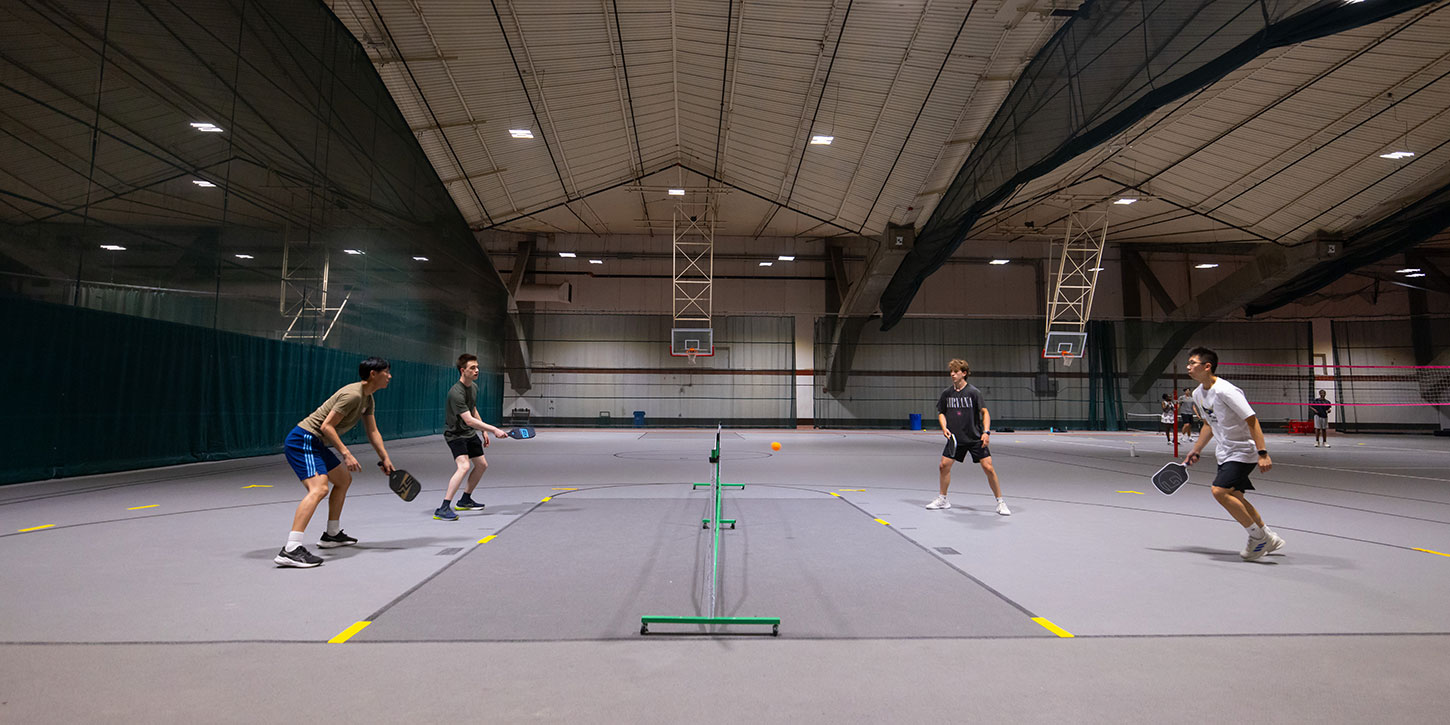
Brown promotes its summer intramural opportunities through intramural email lists, while also working with administrative contacts within medical and graduate schools to reach their students directly. The department also uses Brown’s daily faculty and staff newsletter to promote upcoming leagues.
Scheduling is another key consideration. Guerin said the department holds its leagues early in the evening to allow faculty and staff participants to come after the workday and to make it easier for students to fit games into their schedules.
While marketing is critical for participation, successful summer intramurals also require departments to consider staffing and budget constraints. The Brown Recreation team keeps both relatively manageable by building on resources already in place.
“One of the nice things about our summer leagues is that they don’t require a large staff or budget,” said Guerin. “We typically have one student supervisor at each event, and soccer includes one or two additional officials. While some of our student staff remain on campus during the summer, our professional staff also enjoy stepping in to help. It makes for a fun way to stay connected with participants.”
Since pickleball and soccer are established offerings during the academic year, the department already owns the necessary equipment and doesn’t need to make any additional purchases.
While staffing and budget have remained manageable, summer programming presents another variable that campus rec teams can’t control: the weather.
“Summer can bring extreme heat or afternoon thunderstorms, so flexibility is essential,” said Guerin. “On particularly hot days, we shifted game times later into the evening when temperatures were more comfortable.”
The team has a backup plan for more persistent weather concerns. In the case of severe weather, the department has access to Penner Field House, a new indoor turf facility, as an alternative soccer location.
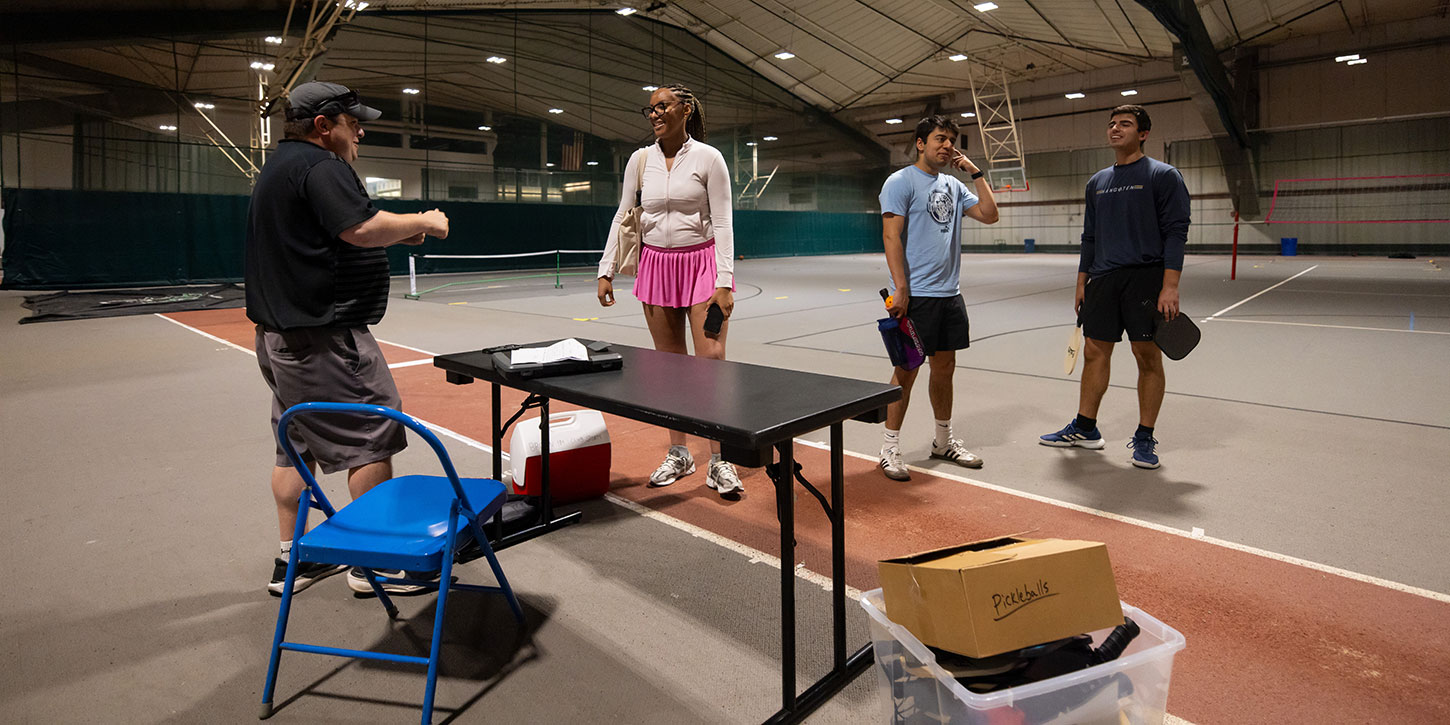
Strong relationships within the Division of Athletics and Recreation have also helped Brown maintain summer programming. With summer camps and other activities competing for access to athletics facilities, coordination with facilities staff has been key in developing a schedule that works for everyone.
“We’re also fortunate to have strong support from the Division of Athletics and Recreation leadership,” said Guerin. “They recognize the value of intramural sports and help ensure recreation remains a priority throughout the summer.”
The success of Brown Recreation’s summer intramural program comes down to understanding the needs of the summer campus community and adapting accordingly. For teams looking to expand summer programming, intentionality and flexibility are key.
“Summer schedules vary considerably, and we’ve found that accommodating reasonable scheduling requests — whether that’s preferred game times or adjusting around work commitments — goes a long way toward increasing participation and creating a positive experience,” explained Guerin.
For Brock Recreation, summer intramurals support the department’s priorities around community engagement and campus wellness while also creating opportunities for meaningful connection for those who stay on campus.
Summer’s slower pace also gives the team a chance to connect with faculty and staff. At the same time, the program can introduce participants to other programs offered by Brock Recreation.
“We hope participants enjoy their experience enough to continue engaging with our programs throughout the academic year, whether that’s through additional intramural sports, fitness programs or other recreation opportunities,” said Guerin.
For other campus rec departments, Brown’s approach showcases that summer programming doesn’t necessarily require more resources. Instead, teams can look at who stays on campus and tailor the programs to those audiences, build flexibility into operations, and lean on existing facilities, equipment and staff.
As many campus rec teams look for ways to maintain engagement year-round, summer intramural leagues can offer a relatively low-cost opportunity to keep campus active while strengthening relationships and increasing overall awareness of recreation services.