

• Subscribe
  • E-Newsletter
  • Media Kit
  • Contact
  • Login
Campus Rec Magazine
  • Sections
    • Columns
    • Facility Development
    • News
    • Operations
    • Programming
    • Rec of the Month
    • Staff Development
    • Well-being
    • Profiles
  • Magazine
    • Current Issue
    • Past Issues
    • Subscribe
    • E-Newsletter
    • Contact Us
  • On-Demand
    • Exclusive Interviews
    • Podcast
    • Webinars
  • Supplier Insights
    • Brand Voice
    • Supplier News
    • Supplier Voice
  • Education
    • CR Leadership Summit
    • CR Base Camp
    • Pickleball Innovators
  • Buyer’s Guide
No Result
View All Result
  • Sections
    • Columns
    • Facility Development
    • News
    • Operations
    • Programming
    • Rec of the Month
    • Staff Development
    • Well-being
    • Profiles
  • Magazine
    • Current Issue
    • Past Issues
    • Subscribe
    • E-Newsletter
    • Contact Us
  • On-Demand
    • Exclusive Interviews
    • Podcast
    • Webinars
  • Supplier Insights
    • Brand Voice
    • Supplier News
    • Supplier Voice
  • Education
    • CR Leadership Summit
    • CR Base Camp
    • Pickleball Innovators
  • Buyer’s Guide
No Result
View All Result
Campus Rec Magazine
No Result
View All Result
Home Columns

Healthy Competition in Programming

Ben Strunk by Ben Strunk
January 31, 2019
in Columns, News
0
programming
Share on FacebookShare on TwitterShare on LinkedIn

Welcome to the new age of recreation and wellness programming on college campuses where students can experiment with Goat Yoga in the morning and attend homemade salsa workshops in the evening. On top of traditional intramural sports, group fitness classes, club sports teams and outdoor recreation trips, students now have a wide array of wellness opportunities.

As the wellness movement continues to gain strength, competition on – and off – campus challenges campus recreation professionals to adapt to new concepts and the ever-changing demand of the populations they serve. And for some, those adaptations may be a bit disappointing.

My background in campus recreation, for instance, came through the officiating ranks. As an undergraduate student at Ohio University, I was fortunate to travel to officiate at a number of regional and national tournaments across the country in flag football and basketball. Like many intramural sports professionals, my friends and social community revolved around the people I interacted with at these events. These experiences helped me earn a graduate assistantship and eventually my first professional job within the industry.

Long Story Short

I love flag football and basketball. Unfortunately, not every college student – at least at NC State – seems to share that same opinion, despite my passionate pleas.

For many years, basketball and flag football were the bread and butter intramural sports offerings for Wolfpack students, but in recent years, both have seen a significant decline in participation. Flag football teams in particular have dropped from 210 in Fall 2011 to 113 in Fall 2019.

We attribute this decline to a number of factors, including less kids participating in youth football, a shift in interest toward soccer, and increased competition of programming on and off campus. Short of organizing after-school football carpools and creating public service announcements against the spread of the world’s most popular sport, we do not have much control over the first two factors. But adapting to growing competition and demand shifts? Maybe we can do something there. 

Let’s first analyze this competition.

Where is it Coming From? 

Direct competitors to our programs and services include boutique fitness studios specializing in a specific discipline, larger national and regional chain fitness centers, community sports leagues, and climbing gyms. In addition, there are a variety of free workout options including bike riding, online video content and the old-fashioned running outside. 

But that is just the start. Has your department been pushed to provide more programming for students? So has everyone else on campus.

Students are being inundated with things to do. Additional programming, often with wellness components, from student organizations, student life, fraternities/sororities and a host of other departments on campus have created a battle for students’ free time. With participation numbers often used as a major success factor, campus recreation professionals must find ways to adapt to this new environment.

Below are four ways to adapt to shifts in interest and increased competition.

  1. Modify existing programming to better fit students’ desired time commitment or competition level for the activity.
  2. Shift facility usage toward popular programming and sunset programming that is no longer desirable.
  3. Offer new programming activities or formats that align with student demand.
  4. Collaborate with campus partners to combine programming to eliminate duplicate activities.

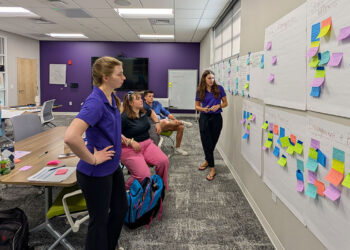
Adaptation often takes creativity and willingness to fail. With a new year upon us, the start of a semester is a great opportunity to assess current programming and develop a plan to discuss new future options.

Tags: campus reccampus recreationfeaturedfitnessintramuralssportTrends
Previous Post

How Virginia Tech is Reshaping Collegiate Recreation and Wellness Integration

Next Post

West Virginia University

Ben Strunk

Ben Strunk

Ben Strunk currently serves as the assistant director of sports programs at NC State University Wellness and Recreation. Originally from Columbus, Ohio, Ben earned bachelor's degrees in journalism and sports management at Ohio University ('12) and a master's degree in sport management at the University of Florida ('14) where he served as a competitive sports graduate assistant for the department of recreational sports. Ben is also the creator of Fat Guys Running Marathons, where he writes about his ultramarathon adventures and aims to inspire others to #achieveanything.

Related Posts

Low-Cost Marketing Trends to Implement in 2026: Part Two
Columns

Low-Cost Marketing Trends to Implement in 2026: Part Two

December 23, 2025
low-cost marketing trends
Columns

Low-Cost Marketing Trends to Implement in 2026: Part One

December 18, 2025
coaching student employees
Columns

Coaching Student Staff to Turn Questions Into Problem-Solving Opportunities

October 21, 2025
2026 Campus Rec Leadership Summit
News

Meet the 2026 Campus Rec Leadership Summit SRC Shaping This Year’s Conversations

October 8, 2025
campus rec coaching
Columns

Connections and Curiosity: The Missing Links in Your Campus Rec Coaching Conversations

September 30, 2025
AI literacy in campus rec
Columns

Why AI Literacy in Campus Recreation Is Essential for Career Readiness

September 23, 2025
Next Post
West Virginia University

West Virginia University

Leave a Reply Cancel reply

Your email address will not be published. Required fields are marked *

Get Updates in your inbox

Facebook Twitter Instagram LinkedIn
Campus Rec Logo

The premier business resource for college and university recreation centers.

The Current Issue

January/February 2026

January/February 2026

Browse

  • Home
  • Subscribe
  • E-Newsletter
  • Podcast
  • Media Kit
  • Contact

© 2025 Campus Rec Magazine. Published by Peake Media.

Welcome Back!

Login to your account below

Forgotten Password?

Retrieve your password

Please enter your username or email address to reset your password.

Log In
No Result
View All Result
  • Sections
    • Columns
    • Facility Development
    • News
    • Operations
    • Programming
    • Rec of the Month
    • Staff Development
    • Well-being
    • Profiles
  • Magazine
    • Current Issue
    • Past Issues
    • Subscribe
    • E-Newsletter
    • Contact Us
  • On-Demand
    • Exclusive Interviews
    • Podcast
    • Webinars
  • Supplier Insights
    • Brand Voice
    • Supplier News
    • Supplier Voice
  • Education
    • CR Leadership Summit
    • CR Base Camp
    • Pickleball Innovators
  • Buyer’s Guide

© 2025 Campus Rec Magazine. Published by Peake Media.