


How Clemson University’s Outdoor Recreation and Education Program found success with student-led adventure trips over fall break.
Outdoor trips are a great opportunity for campus recreation departments to get students active, socializing and experiencing all nature offers, but this kind of programming requires more time than traditional campus rec activities.
At Clemson University, the Clemson Outdoor Recreation and Education Program (CORE) provides multiple outdoor adventure trips during fall break — allowing the department to offer longer, more involved adventures.
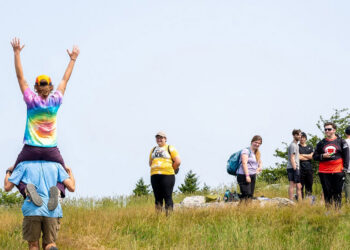
This year, CORE is offering three campus rec fall break trips taking place over the four-day weekend: a backpacking trip through Grayson Highlands in Virginia, a canoeing trip through Suwanee River in Florida, and a trip to West Virginia including a variety of activities like camping, hiking and biking.
Taylor Williams, the associate director of Outdoor Recreation at Clemson, said while each trip has a variety of activities, they each have a common goal: providing students a space to build relationships with peers, immerse themselves in nature, unplug from technology and challenge themselves.
“These trips strike a great balance,” said Williams. “They’re long enough for students to immerse themselves in nature and build meaningful relationships with each other, but short enough to fit into a busy academic calendar.”
CORE trips require ample preparation and dedicated leaders. Williams said CORE is committed to creating a program by and for students, so student staff are at the heart of the planning process.
The department starts by gauging interest among student staff on trip location and activities. Once each leader is selected CORE moves into marketing. Student leaders play a key role in spreading the word about trips through personal social media, often filling programs through their excitement and outreach.
From here, the department coordinates campsite reservations and equipment. Student leaders take ownership of the route, food, mileage and the overall experience. While they receive support from professional staff, Williams said students truly drive the vision and execution. The student-led model empowers student staff and participants while also fostering leadership and teaching outdoor skills.
Student response has been overwhelmingly positive. Many end up returning for future trips, with some even going on to work for the CORE program itself. Demand for the trips continues to grow, prompting the department to add a third trip this year.
For departments looking to start their own program for campus rec fall break trip, Williams advised connecting with other universities to see what trips have been successful for them. She explained how sharing ideas and best practices can help save time in the planning process and build a stronger program.
Williams also suggests leaning into campus resources. “One of our strongest partnerships is with Clemson Home, and together we’ve developed a series of fall and spring trips specifically for students living on campus — at no cost to them,” she said. “These collaborations not only expand access but also deepen the impact of our programming.”
Through immense collaboration and connection, CORE has built a diverse and student-first outdoor trip program. By prioritizing student leadership, variety and meaningful outdoor experiences, Clemson’s fall break trips offer more than just a break from classes — they provide a space for growth, exploration and connection lasting long after students return to campus.