

How structured planning, staffing and communication helped shape successful outdoor spring break experiences at the University of Colorado Colorado Springs.
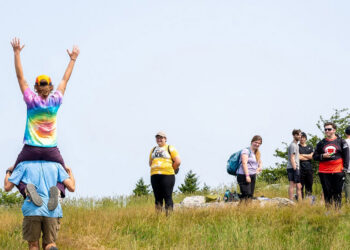
Many campus recreation departments offer outdoor adventure trips during spring break, allowing students to step away from campus and experience places they wouldn’t encounter on a typical weekend. But meaningful trips require deliberate planning, coordination and strategy to ensure a smooth, safe trip.
As the academic year winds down and departments begin mapping out the next cycle of programs, spring break trips present a key opportunity to elevate outdoor offerings and deepen student engagement.
At the University of Colorado Colorado Springs (UCCS), the Campus Recreation team has developed a structured approach to planning and executing extended trips, offering a model for how departments can balance logistics, cost recovery and participant experience.
From early-stage planning to on-the-ground execution, their process highlights several best practices for ensuring campus rec spring break trips run smoothly and continue to engage students.
Planning and Preparation
At UCCS, planning for campus rec spring break trips begins well in advance — often up to a year out for longer, higher-cost programs. This timeline allows the department to build a comprehensive trip plan, estimating costs for lodging, transportation, food and activity-related fees so they can receive program approval as soon as possible.
Thomas Gibson, the program director of Student Outdoor Learning Experience, said this early start is equally essential for the marketing team. By promoting trips well in advance, students have time to plan schedules and begin saving for registration costs.
After securing approval, the next major milestone is reaching the minimum number of participants required to run the program. Once that threshold is hit, the team can confirm accommodations, begin collecting participant information and finalize areas like transportation and staffing.
Transportation is generally coordinated through the university’s motor pool, the department’s preferred and most cost-effective option. If this isn’t available, the team turns to a private rental vendor.
Staffing structures vary depending on the type of program. For campground trips, student employees are primarily utilized. Gibson emphasized each leader holds a Wilderness First Aid certification and every trip includes a clear emergency action plan.
One to two weeks before departure, all participants and trip leaders attend a mandatory meeting to review the itinerary, align expectations and cover essential safety information.
“All of these elements — budgeting for financial sustainability, staffing with trained leaders and securing reliable transportation — work together to create a safe, organized and successful trip experience,” said Gibson.
After the trip is over, the team collects feedback from participants to evaluate how everything came together and identify common obstacles or areas for improvement.
Overcoming Obstacles
Student awareness of the program is an ongoing challenge for the department. Utilizing flyers, tabling and partnerships with campus organizations helps the team spread the word of the trips — a vital component of the program’s long-term viability.
Another common concern is cost. While the trip cost can initially seem high, Gibson stressed the importance of communicating the program’s value to students.
Without the department, participants would have to otherwise supply their own equipment, food, lodging and transportation. They would also need safety skills and miss out on having two professional guides available throughout the trip to assist with issues.
“Most participants lack the resources or experience to organize a trip like this independently, and we serve as a bridge by providing both the necessary gear and instruction,” said Gibson. “The program is designed to provide a high-quality, guided experience at a more accessible price point than comparable commercial options.”
The third obstacle the department often navigates is last-minute enrollment. While it doesn’t significantly impact logistics, it can become a challenge when the team is close to the minimum participant number.
This can create uncertainty around whether the trip can run along with delaying vital purchases and the ability to make alternative plans. To combat this, they require earlier enrollment for larger, more complex trips.
Impact and Advice
Gibson said early planning and promotion are critical to the success of campus rec spring break trips, not only for logistical reasons but also in shaping the overall student experience.
“While these trips require more planning and coordination, the payoff is significant,” explained Gibson. “They give students access to experiences they might not otherwise be able to afford while creating a meaningful and memorable program.”
This year’s trip offered a clear example of that impact.
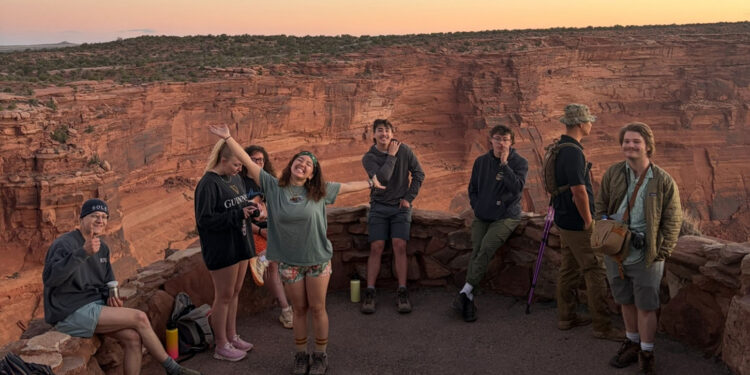
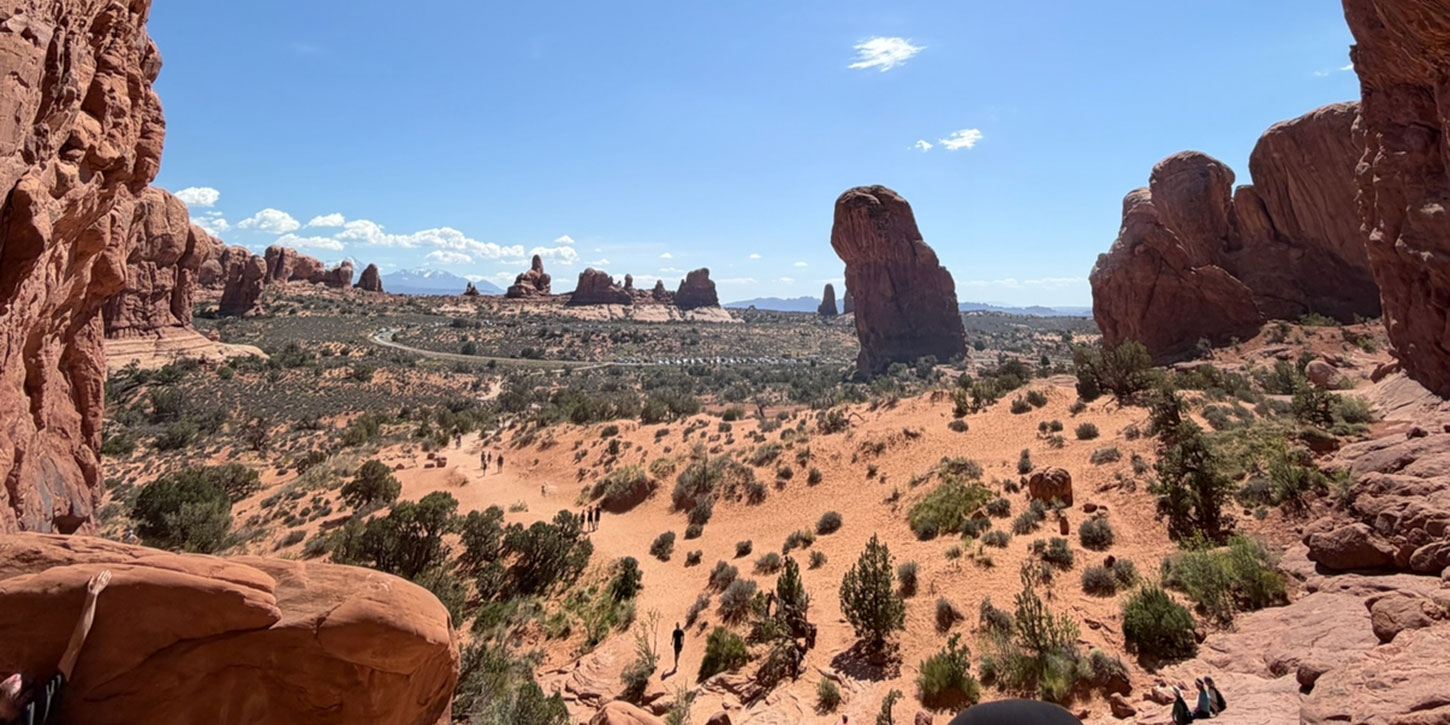
The camping trip took students to Moab, Utah, for five days of climbing, hiking and connection. Beyond physical activity, students engaged in unique natural and educational experiences.
“On this past trip, while camping on the Colorado Plateau with very little light pollution and even with limited equipment, many participants saw a nebula in the night sky for the first time — something they’d only seen in magazines or on screens,” said Gibson.
Throughout the trip, students learned about public lands and responsible recreation, along with viewing petroglyphs created by the original inhabitants of southern Utah.
The group also explored the effects of environmental mismanagement through the Moab Uranium Mill Tailings Remedial Action Project, which is currently being cleaned up to prevent radioactive material from entering the Colorado River.
For campus recreation departments, UCCS Campus Recreation’s spring break trips represent a strategic investment in student development, connection and long-term engagement.
By prioritizing early planning, clear communication and intentional program design, departments can create experiences that not only justify the logistical effort but also leave a lasting impact on participants, reinforcing the value of outdoor recreation within the campus community.