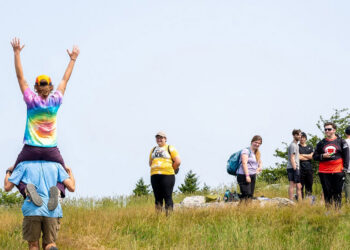



How a virtual program during the COVID-19 pandemic evolved into a wellness challenge connecting participants across campuses and continents.
When Pepperdine University launched the Virtual Pacific Crest Trail Expedition during the COVID-19 pandemic, the goal was straightforward: keep a dispersed campus community connected through movement.
But within five years, what started as a remote engagement initiative turned into a university-wide tradition.
Robb Bolton, the director of Campus Recreation and Esports at Pepperdine, said the university’s proximity to the Pacific Crest Trail (PCT) — a 2,650-mile route stretching from Mexico to Canada — created a unique opportunity for the university to keep students, faculty and staff involved while at home.
The 10-week challenge invites teams of eight to collectively log miles by walking, running, swimming and other physical activities.
Participants virtually follow the PCT route while competing for milestones, sharing photos from themed contests and connecting with peers across Pepperdine’s campuses.
For a university with locations across California and year-long international programs overseas, the challenge became much more than a fitness initiative for Pepperdine.
Bolton said the program has helped people from satellite campuses and internationally feel more connected to Pepperdine overall.

According to Ilaria Schnyder, the coordinator of Outdoor Recreation, the expedition has also helped staff on the main campus form relationships.
“Working with the staff on that has been the most rewarding thing for me, because I’ve seen how it’s a bonding event for them,” explained Schnyder.
The program’s growth reflects this impact. Participation has more than doubled since its first year in 2021, increasing from 265 participants on 37 teams to more than 540 participants representing every Pepperdine campus and international program.
“We started with very rudimentary operations, like tracking everything on spreadsheets,” said Bolton. “It was kind of chaotic, so since then we’ve learned what the pain points were. We also wanted to have some kind of way to visually represent where people are on the trail.”
Now, the team has swapped spreadsheets for software. A platform called RunSignUp handles registration, mileage tracking and photo submissions — a pivotal aspect of visually connecting participants.
The software also allows participants to track their progress along a virtual section of the trail, helping transform miles into a shared journey.
Through contests with themes like flora and fauna, participants are encouraged to upload photos to connect with others internationally. This component has become one of the most popular aspects of the expedition, helping participants feel invested in the experience regardless of how many miles they log.
“The photos we get are absolutely incredible because they’re from all over,” said Bolton. “I feel like it keeps people really feeling like they’re inside the event.”
This emphasis on visuals is just one strategy Pepperdine has used to keep engagement throughout the 10-week program.
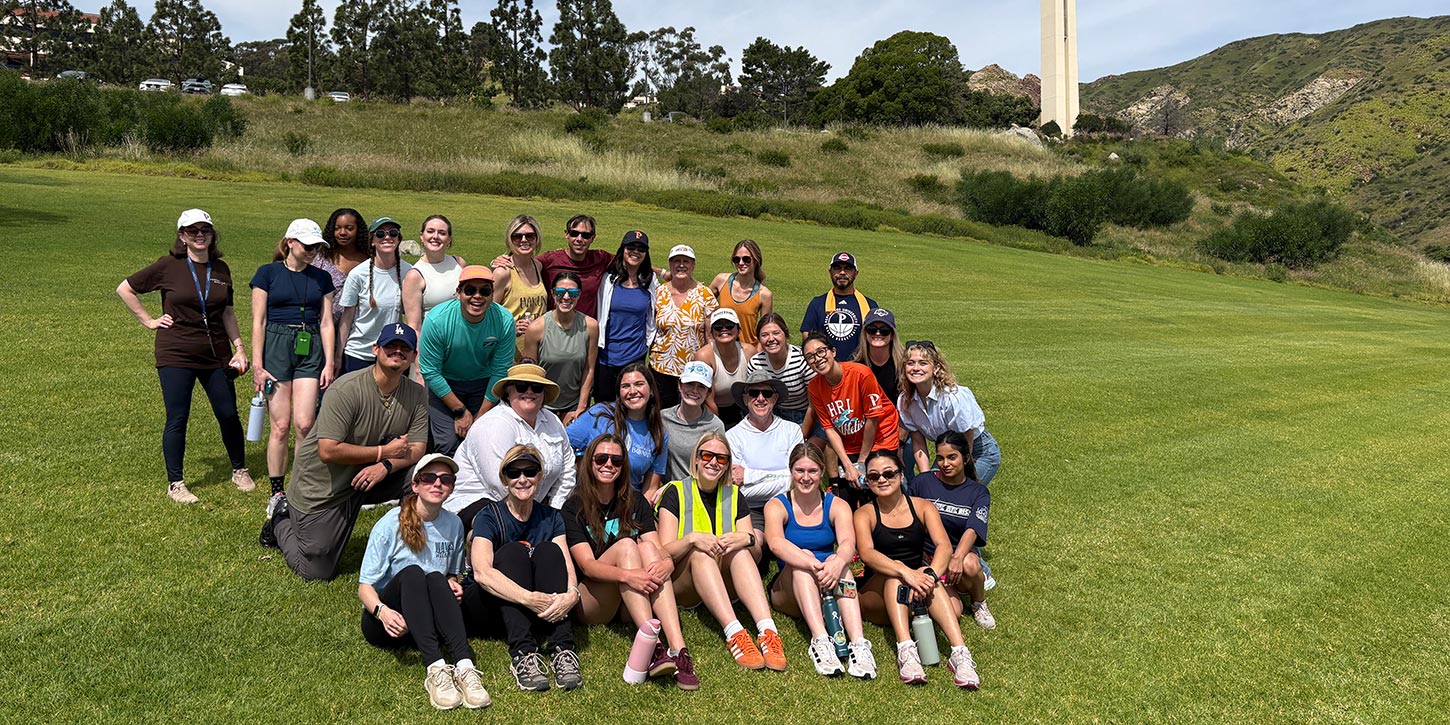
Each spring, the challenge begins with a kickoff event where teams gather on campus and earn bonus miles by walking together on the track. Halfway through the journey, participants are invited to a community hike, and it all concludes with a celebration with awards and raffles.
To keep engagement throughout the 10 weeks, the department created mileage checkpoints along the route. Teams that reach milestones by specific dates are entered in prize drawings.
The expedition has also become an effective tool for introducing participants to other campus recreation offerings. Students, faculty and staff can earn bonus miles for attending fitness classes, outdoor adventure trips and certain athletic events.
Partnerships have also played a major role in the expedition’s continued growth.
Pepperdine’s Student Activities department, Human Resources department, Student Health Center and Athletics department have all contributed support through promotion, programming and prize donations. Bolton said these collaborations have helped the challenge reach a wider audience while reinforcing its focus on wellness and community.
Weekly newsletters are another important engagement tool. The updates include leaderboard standings, participant photos and stories from campuses around the world, helping those involved follow the journey even while separated.
As participation continues to grow, the Campus Recreation team is focused on increasing student involvement, which currently falls behind faculty and staff participation. But regardless, the challenge’s continued expansion suggests the program is resonating with the university community.
“What’s really interesting to me is that it’s growing even though we started five years ago,” said Bolton. “It’s a sign of hope and a sign of the fact that this event is something people want and they expect we redo next year.”
More than five years after its launch, the Virtual PCT Expedition continues to connect participants across departments, campuses and even continents.
What started as a solution to pandemic isolation became a signature Pepperdine tradition, demonstrating how campus recreation departments can foster wellness and belonging regardless of where students are located.