
• Home
  • Subscribe
  • E-Newsletter
  • Podcast
  • Media Kit
  • Contact
  • Login
Campus Rec Magazine
  • Sections
    • Columns
    • Facility Development
    • News
    • Operations
    • Programming
    • Rec of the Month
    • Staff Development
    • Well-being
    • Profiles
  • Magazine
    • Current Issue
    • Past Issues
    • Subscribe
    • E-Newsletter
    • Contact Us
  • On-Demand
    • Exclusive Interviews
    • Podcast
    • Webinars
  • Supplier Insights
    • Brand Voice
    • Supplier News
    • Supplier Voice
    • Spotlights
  • Education
    • CR Leadership Summit
    • CR Base Camp
    • Pickleball Innovators
  • Buyer’s Guide
No Result
View All Result
  • Sections
    • Columns
    • Facility Development
    • News
    • Operations
    • Programming
    • Rec of the Month
    • Staff Development
    • Well-being
    • Profiles
  • Magazine
    • Current Issue
    • Past Issues
    • Subscribe
    • E-Newsletter
    • Contact Us
  • On-Demand
    • Exclusive Interviews
    • Podcast
    • Webinars
  • Supplier Insights
    • Brand Voice
    • Supplier News
    • Supplier Voice
    • Spotlights
  • Education
    • CR Leadership Summit
    • CR Base Camp
    • Pickleball Innovators
  • Buyer’s Guide
No Result
View All Result
Campus Rec Magazine
No Result
View All Result
Home Staff Development EDI

Inside the NRG Zone at the University of Guelph: A Sensory-Friendly Approach to Campus Recreation

Gracie Moore by Gracie Moore
November 26, 2025
in EDI, Programming
0
Inside the NRG Zone at the University of Guelph: A Sensory-Friendly Approach to Campus Recreation
Share on FacebookShare on TwitterShare on LinkedIn

The University of Guelph’s sensory-friendly fitness studio offers a model for campus rec teams aiming to expand access, belonging and student comfort.

Creating spaces where every student feels comfortable moving their body is a defining priority in campus recreation — and the University of Guelph’s NRG Zone is one example of what that future can look like. 

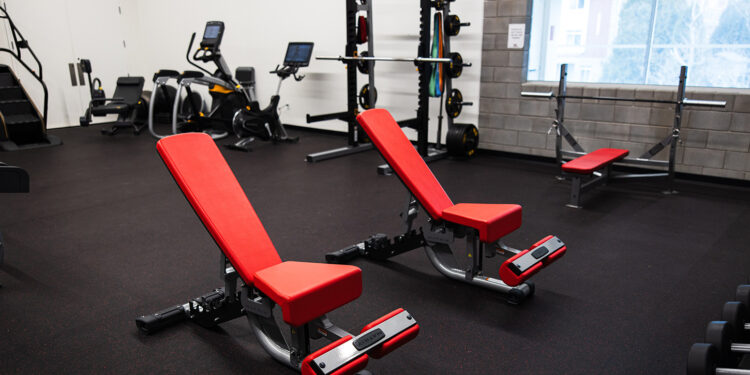
First opened in January 2024, the small-scale fitness studio was designed in direct response to students who felt overwhelmed, unseen or unsafe in traditional gym environments. With sensory-friendly lighting, no music, privacy blinds and identity-specific hours, the space has quickly become a haven for students who previously didn’t feel they had a place in campus fitness. 

And as demand for calmer, more inclusive environments grows across higher education, the NRG Zone offers a blueprint for how campus rec departments can rethink access, belonging and the workout experience itself.

Intentional Design for Comfort and Calm

The NRG Zone is intentionally different from the busy main fitness center. Capped at 20 people at a time and operated by welcoming fitness staff, the room provides a quiet and comfortable space for a calm workout. The studio is also used as a space for programs like Learn to Lift — a class aimed at helping build confidence and physical literacy skills. 

“Our main fitness center is very large, with high ceilings that make it quite loud and a high volume of people and equipment,” said Sarah Mau, the associate director of Programming and Facilities at the University of Guelph. “Students told us it could be difficult to fully participate, so the NRG Zone was created to increase our inclusion opportunities.” 

Since opening, the impact has been significant. Ninety percent of NRG Zone participants bought a membership specifically to access the studio, according to a recent survey. Student testimonials highlight just how transformative the space has been, with Mau describing one instance where a student said the identity-specific hours are the only way the gym feels approachable. 

The importance of spaces like these goes far beyond another place to put equipment. Mau said many students find working out to be intimidating, feeling lost or awkward instead of confident. These students — and even some who have never worked out in the fitness center before — are finding a place where they feel comfortable. 

“We want everyone on campus to feel welcome and safe in our space. If you can be in a community where you already feel safe and like you belong, other feelings of anxiety or discomfort can be much smaller and easier to overcome,” said Mau. 

Lessons and Advice

For other campus recreation departments considering similar initiatives, the NRG Zone offers several clear lessons. 

Mau recommends starting by listening to the community you serve. Students will tell you what they need if you create the channels for them to do so. Evaluate your environment through the lens of accessibility — including sensory accessibility, which is often overlooked. Choose equipment that supports beginners as well as those working to advance their skills. And when developing identity-specific programming, collaborate directly with the groups you hope to serve to ensure the intent matches the impact.

The rapid success of the NRG Zone demonstrates that small, intentional spaces can create meaningful change. As more campuses explore sensory-friendly designs, quieter fitness studios and identity-centered workout times, the philosophy behind the NRG Zone can serve as a guide. Students are signaling that they want fitness environments where they feel safe, supported and welcome from the moment they walk in. Campuses willing to listen — and to build spaces that meet those needs — can transform not just participation rates, but students’ relationships with wellness itself.
Tags: campus reccampus recreationfeaturedInclusive FitnessJanuary-February 2026NRG zoneuniversity of guelph
Previous Post

From Metrics to Storytelling: Campus Rec Data Trends Transforming Decision-Making

Next Post

University of Arkansas Campus Recreation Reimagines How Students Connect and Move

Gracie Moore

Gracie Moore

Related Posts

campus rec spring break trip
Outdoor Adventure

Designing Impactful Campus Rec Spring Break Trips

May 7, 2026
campus rec esports
Esports

Building a Sustainable Campus Rec Esports Program

April 23, 2026
adult recreational sports leagues
News

Brock University Expands Campus Rec Offerings with Adult Recreational Sports Leagues

April 9, 2026
Campus Rec Group Fitness: What’s Working, What’s Not and What’s Next
Fitness

Campus Rec Group Fitness: What’s Working, What’s Not and What’s Next

March 31, 2026
campus rec strength training
Fitness

How Campus Rec Departments are Redefining Strength Training Spaces

March 26, 2026
UMass Boston Ice Skating Program
Programming

UMass Boston Ice Skating Program Builds Belonging Through Access and Growth

February 5, 2026
Next Post
University of Arkansas Campus Recreation Reimagines How Students Connect and Move

University of Arkansas Campus Recreation Reimagines How Students Connect and Move

Leave a Reply Cancel reply

Your email address will not be published. Required fields are marked *

Get Updates in your inbox

Facebook Twitter Instagram LinkedIn
Campus Rec Logo

The premier business resource for college and university recreation centers.

The Current Issue

March/April 2026

March/April 2026

Browse

  • Home
  • Subscribe
  • E-Newsletter
  • Podcast
  • Media Kit
  • Contact

© 2026 Campus Rec Magazine. Published by Peake Media.

Welcome Back!

Login to your account below

Forgotten Password?

Retrieve your password

Please enter your username or email address to reset your password.

Log In
No Result
View All Result
  • Sections
    • Columns
    • Facility Development
    • News
    • Operations
    • Programming
    • Rec of the Month
    • Staff Development
    • Well-being
    • Profiles
  • Magazine
    • Current Issue
    • Past Issues
    • Subscribe
    • E-Newsletter
    • Contact Us
  • On-Demand
    • Exclusive Interviews
    • Podcast
    • Webinars
  • Supplier Insights
    • Brand Voice
    • Supplier News
    • Supplier Voice
    • Spotlights
  • Education
    • CR Leadership Summit
    • CR Base Camp
    • Pickleball Innovators
  • Buyer’s Guide

© 2026 Campus Rec Magazine. Published by Peake Media.