
• Subscribe
  • E-Newsletter
  • Media Kit
  • Contact
  • Login
Campus Rec Magazine
  • Sections
    • Columns
    • Facility Development
    • News
    • Operations
    • Programming
    • Rec of the Month
    • Staff Development
    • Well-being
    • Profiles
  • Magazine
    • Current Issue
    • Past Issues
    • Subscribe
    • E-Newsletter
    • Contact Us
  • On-Demand
    • Exclusive Interviews
    • Podcast
    • Webinars
  • Supplier Insights
    • Brand Voice
    • Supplier News
    • Supplier Voice
  • Education
    • CR Leadership Summit
    • CR Base Camp
    • Pickleball Innovators
  • Buyer’s Guide
No Result
View All Result
  • Sections
    • Columns
    • Facility Development
    • News
    • Operations
    • Programming
    • Rec of the Month
    • Staff Development
    • Well-being
    • Profiles
  • Magazine
    • Current Issue
    • Past Issues
    • Subscribe
    • E-Newsletter
    • Contact Us
  • On-Demand
    • Exclusive Interviews
    • Podcast
    • Webinars
  • Supplier Insights
    • Brand Voice
    • Supplier News
    • Supplier Voice
  • Education
    • CR Leadership Summit
    • CR Base Camp
    • Pickleball Innovators
  • Buyer’s Guide
No Result
View All Result
Campus Rec Magazine
No Result
View All Result
Home Programming

Serving the Veterans in Your Campus Community

Taylor Gabhart by Taylor Gabhart
November 10, 2022
in Programming
0
Veterans

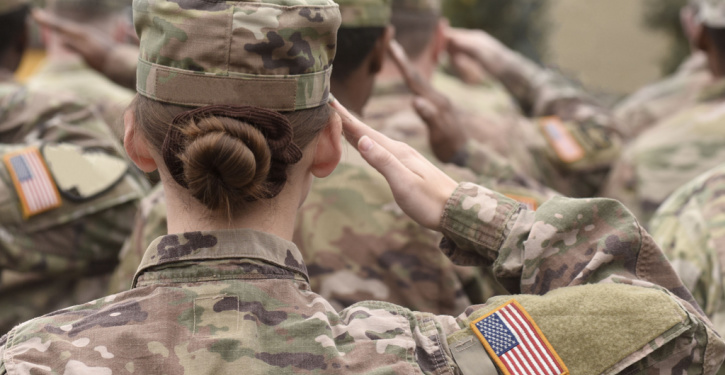
Image courtesy of Shutterstock

Share on FacebookShare on TwitterShare on LinkedIn

Veterans Day is a federal holiday that is observed annually on November 11. It’s a tribute to all of those who have served in the U.S. armed forces on the anniversary of the end of World War I. As of 2021, there are around 19 million U.S. veterans, according to data from the Department of Veterans Affairs, representing less than 10% of the total U.S. adult population.

According to the National Alliance on Mental Health, research suggests 11 to 20% of veterans experience PTSD in a given year — significantly higher than 2020 estimates for the general population at less than 4%. Additionally, suicide rates of military service members and veterans are also at an all-time high, with deaths by suicide having increased by 25% during 2020.

How can fitness facilities play a role in helping this population?

Daniel Reis, a clinical psychologist at the VA Rocky Mountain Mental Illness Research Education and Clinical Center for Suicide Prevention, led a literature review earlier this year to evaluate the results and quality of studies on the benefits of exercise for veterans with PTSD.

Based on preliminary evidence, the researchers determined that exercise has promise for reducing the severity of PTSD symptoms in veterans. According to the U.S. Department of Veteran Affairs (VA), Reis and his team saw reductions in the four primary symptom domains: re-experience, avoidance, thoughts and arousal.

While the VA would like more research on the topic, there is an opportunity to fitness facilities to get America’s bravest moving and healing. NASM released guidelines for designing exercise programs for clients with PTSD.

The Guidelines:

  • Focus on breathing. Teach mindful breathing and/or meditation to start and/or end a program.
  • Be repetitive. Repeat cues to help clients master moves while building confidence and self-efficacy.
  • Use noncompetitive language and practices. Keep in mind a competitive environment may activate the sympathetic nervous system, increasing stress levels.
  • Provide time for reflection. Help clients discover and develop self-awareness.
  • Be patient. Take it slow and steady, paying attention to clients’ reactions to each stage of the exercise program. Pull back when necessary.
  • Set realistic goals. Help clients figure out realistic fitness and health goals.
  • Remain flexible. Be ready to switch gears and calmly respond to challenges as they arise (i.e., loud sounds, damaged equipment, clients’ needs, etc.).
  • Be flexible with cues. Develop several different ways to say the same thing so you have a backup cue or instruction if the first one doesn’t work.
  • Come prepared. If a client experiences an episode or a drastic mood change during a session, be ready to stop, talk and listen.
  • Be knowledgeable. Stay informed about your clients’ health. Learn about changes in medication or any incidences that have occurred since your last session. Adapt as needed.

If you are not ready to start a new program, you can still honor the veterans in your community on Veteran’s Day by offering free classes, discounts, memberships and more.


 

Tags: campus reccampus rec programmingcampus recreationfeaturedVeteran's Dayveterans
Previous Post

The Sun Devil Impact at ASU

Next Post

How to Communicate with Gen Z

Taylor Gabhart

Taylor Gabhart

Taylor is an editor for Peake Media. Contact her at taylor@peakemedia.com.

Related Posts

UMass Boston Ice Skating Program
Programming

UMass Boston Ice Skating Program Builds Belonging Through Access and Growth

February 5, 2026
Rethinking Campus Rec Aquatics Design for Year-Round Impact
Aquatics

Rethinking Campus Rec Aquatics Design for Year-Round Impact

January 22, 2026
Campus Rec Fitness Certifications: How Departments are Structuring Training Models
Education

Campus Rec Fitness Certifications: How Departments are Structuring Training Models

January 15, 2026
Top Fitness Trends of 2026 and What Campus Rec Pros Need to Know
Fitness

Top Fitness Trends of 2026 and What Campus Rec Pros Need to Know

January 8, 2026
Campus Rec Wellness Events to Support Student Well-being Through Finals
Programming

Campus Rec Wellness Events to Support Student Well-being Through Finals

December 11, 2025
Inside the NRG Zone at the University of Guelph: A Sensory-Friendly Approach to Campus Recreation
EDI

Inside the NRG Zone at the University of Guelph: A Sensory-Friendly Approach to Campus Recreation

November 26, 2025
Next Post
Gen Z

How to Communicate with Gen Z

Leave a Reply Cancel reply

Your email address will not be published. Required fields are marked *

Get Updates in your inbox

Facebook Twitter Instagram LinkedIn
Campus Rec Logo

The premier business resource for college and university recreation centers.

The Current Issue

January/February 2026

January/February 2026

Browse

  • Home
  • Subscribe
  • E-Newsletter
  • Podcast
  • Media Kit
  • Contact

© 2026 Campus Rec Magazine. Published by Peake Media.

Welcome Back!

Login to your account below

Forgotten Password?

Retrieve your password

Please enter your username or email address to reset your password.

Log In
No Result
View All Result
  • Sections
    • Columns
    • Facility Development
    • News
    • Operations
    • Programming
    • Rec of the Month
    • Staff Development
    • Well-being
    • Profiles
  • Magazine
    • Current Issue
    • Past Issues
    • Subscribe
    • E-Newsletter
    • Contact Us
  • On-Demand
    • Exclusive Interviews
    • Podcast
    • Webinars
  • Supplier Insights
    • Brand Voice
    • Supplier News
    • Supplier Voice
  • Education
    • CR Leadership Summit
    • CR Base Camp
    • Pickleball Innovators
  • Buyer’s Guide

© 2026 Campus Rec Magazine. Published by Peake Media.